

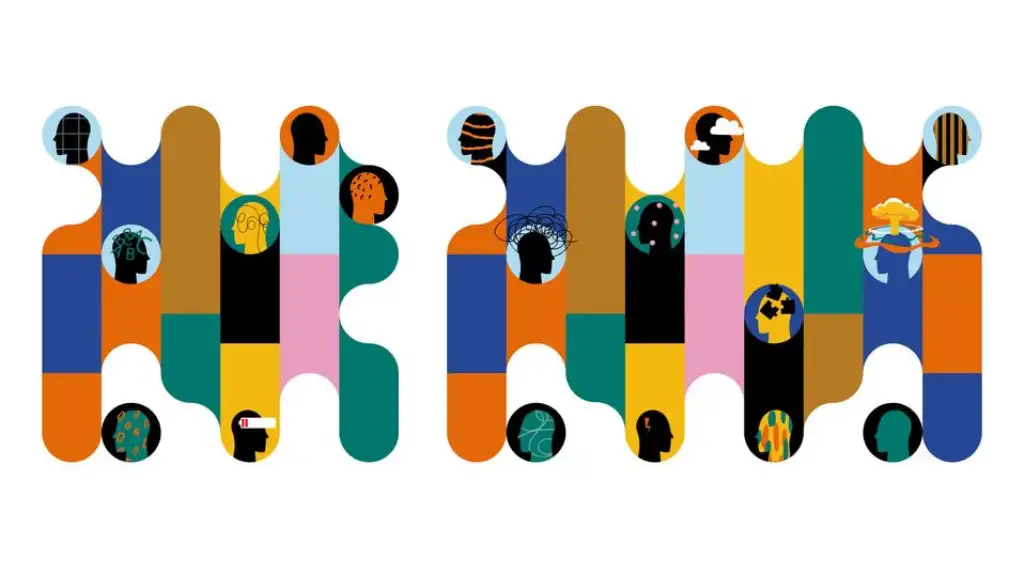
Neurodiversity refers to the variation in neurological differences that occur naturally in all humans. The term neurodivergence is most commonly used for those with ADHD, autism or co-occurring ADHD and autism. While we are familiar with these terms, neurodivergent relationships in adults are often unexplored or highlighted based on deficits rather than strengths. They are gaining increasing visibility as conversations surrounding them are becoming more nuanced and inclusive. So, today let’s explore what relationships with neurodiverse individuals mean, what are the common challenges and how can you build a thriving relationship with a neurodivergent adult.
Neurodivergent Relationships in Adults – What Does it Mean:
Neurodivergent relationships in adults involve unique challenges when communicating within societal frameworks that prioritize neurotypical norms. This is because neurodivergent adults possess neurovariances that lead to different ways of processing information, communicating and interacting with their environments. They have naturally occurring variations in cognitive styles, each characterized by distinct strengths. For instance, individuals with autism often exhibit heightened connectivity in sensory areas of the brain, which may contribute to exceptional pattern recognition and attention to detail. Similarly, individuals with ADHD exhibit hypoactivity in the prefrontal cortex and hyperactivity in the default mode network leading to strengths such as heightened creativity, quick problem-solving under pressure, and an ability to hyper-focus on tasks of interest. However, these differences in social understanding, emotional expression, and communication styles can often lead to misunderstandings and relational strain. For instance, neurodivergent relationships in adults involving individuals with autism, neurotypical partners may struggle to interpret their partner’s nonverbal cues or direct communication style, while individuals with autism may find the implicit social expectations of their neurotypical partner confusing or overwhelming. Similarly, couples where one partner has ADHD often face difficulties related to attention regulation, impulsivity, and forgetfulness, which can result in miscommunication and relationship strain.
Potential Challenges in Neurodivergent Relationships in Adults:
Neurodivergent people often experience love deeply and intensely, but romantic relationships can bring unique challenges. In relationships, neurodivergent individuals face additional layers of challenge that are rarely named or understood.
Existing in a Neurotypical World
Most norms in a relationship are based on neurotypical assumptions. For instance, eye contact, correct tone of voice, emotional expression, being spontaneous, frequency of communication between partners, etc. In order to fit in, neurodivergent individuals often begin to adhere to these norms without considering their needs and expectations. This creates a pattern where one partner feels constantly misunderstood and the other one feels rejected or confused. When left unaddressed, it can erode trust over time.
Communication
Neurodivergent individuals often engage in direct, literal and highly detailed communication. This may be seen as overly analytical or abrupt by neurotypical partners (who rely on subtext, unspoken rules and implication). Honesty is often labelled as insensitivity. Confusion regarding a partner’s emotional states is also common. As a result, misunderstandings arise – not because one person is wrong and the other is right. Rather it’s because two different communication styles are operating at once.
Processing Time and Verbal Expression
Some neurodivergent people need extra time to process emotions before they can talk about them. Others may talk rapidly and intensely while thinking things through. Both can be misinterpreted in relationships. A partner might assume silence means disengagement or that talking animatedly means being argumentative. In reality, both can be ways of regulating and making sense of emotional information.
Sensory needs, intimacy and emotional connection
For neurodivergent individuals, sensory experience plays a central role. Touch, sound, smell and movement can all impact how safe or overwhelmed someone feels. In romantic relationships, this can affect cuddling, sex, sleeping arrangements and shared spaces. Feelings of guilt may arise for needing space, specific routines or limits around touch. Their partners may interpret this as rejection, even when love and desire are present. Moreover, many neurodivergent individuals experience emotions intensely, whether it is love or rejection. This can create cycles of closeness and withdrawal that feel confusing for both partners.
Conflict Styles and Emotional Regulation
Conflict is a part of any and all relationships. During conflict, some neurodivergent individuals become overwhelmed quickly. This may look like shutting down, becoming tearful, leaving the room or needing long periods to recover. Partners may assume this is avoidance or a lack of care. However, it is often a sign of nervous system overload.
Fear of Being Judged or Rejected
Many people worry that disclosing their neurodivergence will lead to rejection or misunderstanding. This fear is not unfounded. Neurodivergent adults have often experienced years of being told they are too intense, too sensitive or too different. Dating as a neurodivergent adult can therefore involve significant masking. Masking is the effort many neurodivergent people make to hide or suppress their natural ways of being in order to fit in. While masking may feel protective in the short term, it often leads to exhaustion and disconnection over time.
Emotional Burnout and Resentment
In relationships, chronic masking can lead to burnout, resentment and loss of self. This can result in sudden withdrawals, emotional outbursts or relationship breakdowns that feel unexpected to partners.
How To Build a Thriving Relationship with a Neurodivergent Adult:
Neurodivergent traits aren’t wrong, they’re simply different from what we’ve seen all along. Therefore, both the partners should hone their interpersonal skills in order to build a thriving relationship.
Practice Time-outs
If you feel misunderstood or have difficulty understanding your partner, practice taking some time away from the interaction. Discuss ahead of time the purpose of time-outs and how you plan to use them to explore different possibilities of what could have happened.
Time Together
Neurodivergent relationships with adults thrive when routines are established. Setting aside specific times to spend with your partner can reduce anxiety, help with schedule management, and create needed structure.
Understand the Role of Sensory Issues
If you are the neurodivergent partner, recognize your own sensitivities to light, sound, touch, smell, taste, and sense so you can communicate them to your partner. If you are the neurotypical partner, understand how these can impact your partner’s nervous system and how their ability to manage them is compromised. Honoring and meeting these basic needs for nervous system regulation can play a huge role in developing intimacy and bringing the relationship closer.
Movement Dates
Exercise is imperative for everyone, but it can be especially helpful for neurodivergent individuals. Schedule time with your partner to go for a walk, run, or bike ride. You’ll both benefit from a shared, health-boosting activity—and become closer in the process.
Create an Inventory
Make an inventory with your partner on those things with which both of you struggle. Is it interrupting? Jumping to conclusions? Sensory overload? Shutdown? Make a plan on how to address these before they show up. Maybe one partner can work on attempting to listen more attentively, while the other partner works on understanding that this may be difficult for their partner.
Supporting your Partner
Learning more about your partner’s type of neurodiversity is a great start in understanding them better. Creating a nonjudgemental and empathetic space can be a great start. There are also general steps you can take according to your partner’s condition.
For individuals with autism:
- Be patient with their preferences
- Allow extra time for them to process information
- Make instructions simple and clear
- Be open to different forms of communication
- Keep in mind that behaviour is a legitimate way of communicating
For individuals with ADHD:
- Avoid overhelping your partner, instead support three independence
- Adjust your expectations but establish responsibilities for both of you
- Create and maintain healthy boundaries
- Practice patience and your own self-care
When Should You Seek Professional Support:
When relationships constantly feel painful, confusing or overwhelming, professional support can come into play. This is especially the need of the hour when patterns keep repeating themselves despite genuine care and effort on your part. Romantic relationships can feel harder for neurodivergent people, not because of a lack of love, but because of differences in communication, sensory needs, emotional regulation and societal expectations. When these differences go unrecognised, they often turn into shame, conflict or exhaustion. Seeking help is not a sign of failure. It is a commitment to understanding yourself and your relationships more deeply and to making change. With the right support, relationships can become places of safety rather than sites of constant effort.
At their core, neurodivergent relationships in adults are not broken relationships—they are relationships that often require a different framework of understanding. Conflict does not necessarily mean incompatibility. When both partners learn to understand differences in communication, sensory processing, emotional regulation, and nervous system needs, neurodivergent relationships in adults can become deeply connected, emotionally safe, and incredibly fulfilling.
Photo Credits:
First image: Annaspoka
References
Amen Clinics. (2025). Navigating Relationships as a Neurodivergent Adult. Amen Clinics. https://www.amenclinics.com/blog/navigating-relationships-as-a-neurodivergent-adult/
Landy, O. (2026). Neurodivergent relationships: common challenges and how to navigate them. Zoë Clews & Associates. https://zoeclews-hypnotherapy.co.uk/neurodivergent-relationships-common-challenges-and-how-to-navigate-them/
Rentería, Y. (2026). Two different brains in love: Conflict resolution in neurodiverse relationships. The Gottman Institute. https://www.gottman.com/blog/two-different-brains-in-love-conflict-resolution-in-neurodiverse-relationships/
Schmidt, M. (2025). Voices of Neurodiversity: Lived Experiences of Communication and Connection in Neurodivergent Couples (Doctoral dissertation).

Sakshi
About the author
Sakshi is a clinical psychologist with a deep passion for understanding human behavior, a strong drive for research, and a keen eye for psychological intricacies. Committed to continuous learning, she seeks to explore every facet of psychology, from theory to practice, to better support and empower individuals. With a curiosity that fuels her pursuit of knowledge, she strives to bridge the gap between research and real-world applications, making psychology more accessible and impactful.
Recently Added
Neurodiversity refers to the variation in neurological differences that occur naturally in all humans. The term neurodivergence is most commonly used for …

Body based somatic therapy is a relatively newer concept gaining impetus in the field of psychology. Unlike other mind-body approaches such as …
What is EMDR Therapy? Eye Movement Desensitization and Reprocessing (EMDR) Therapy consists of a structured set of protocols and procedures based on …