


Over the past years, coaching has become a household name. A methodology for facilitating intentional positive change, coaching has become a permanent fixture in organisations (aiding the development of employees from CEO-level to front-line staff) and personal life domains such as relationships, dating, emotions, health, communication, confidence, weight loss or even general life. On the other hand, counselling or psychotherapy has been around since the 1800s. As per the APA, psychotherapy is “the informed and intentional application of clinical methods and interpersonal stances derived from established psychological principles for the purpose of assisting people to modify their behaviors, cognitions, emotions, and/or other personal characteristics in directions that the participants deem desirable.”
So, today, let’s learn the difference between counselling, coaching, and psychotherapy.
Difference between counselling, coaching and psychotherapy: Goals and Aims
A key difference between counselling, coaching, and psychotherapy are the goals or aims of the relationship. The coach aims to help the coachee identify personally valued goals or outcomes, and then supports them in working towards those goals. This is especially true in future focused coaching for women, where clarity, direction, and action are prioritised. Moreover, a coach may also guide individuals to realize how their thoughts and emotions can lead to problematic behaviours. The counsellor’s aims are more focused on resolving emotional, psychological and relationship issues, alleviating distress and dealing with problems such as bereavement and divorce. They focus on all aspects of an individual’s life and consider in-depth exploration of the client’s history as a hallmark for successful therapy. Understanding this difference between counselling, coaching and psychotherapy can help you choose counselling or coaching in HK based on your needs.
Difference between counselling, coaching and psychotherapy: Major Focus
Coaches spend the majority of their time focusing on the client’s future. They seldom look at the past, making future focused coaching for women particularly useful for those looking to grow, evolve, or pivot in life.. On the contrary, therapists spend comparatively more time working on past experiences of their clients. They help resolve current problems and repair damage from their pasts.
Difference between counselling, coaching and psychotherapy: Therapeutic Alliance
The next difference between counselling, coaching, and psychotherapy is concerned with the working alliance. This alliance between a healthcare worker and a client is determined by the needs of the client. As counselling clients may be in an emotionally vulnerable place, the counselling/psychotherapeutic working alliance places great emphasis on emotional safety. One of the most important determinants of therapeutic outcomes is the ability of the counsellor to develop a working alliance with the client that embodies common factors such as trust, warmth and respect for the client’s autonomy. However, in a coach-coachee relationship, goal attainment is far more important than emotional safety. Moreover, the coachee’s needs also differ from that of a therapy client. Typically, coaching clients are not deemed to be in an emotionally vulnerable place, nor are they coming to coaching expecting a healing or therapeutic emotional catharsis. The coach– coachee relationship is more like a robust business partnership, especially in future focused coaching for women, where progress and accountability are central..
Difference between counselling, coaching and psychotherapy: Maintaining Boundaries
While coaches and therapists care deeply about their clients and maintain confidentiality, coaches are more prone to building relationships with their clients outside the professional setup. They are also more likely to receive and accept gifts from their clients in return for their services. They may regularly accept invitations by their clients and invite them to their own events. Therapists do not see their clients as friends but coaches do. Therapists or counsellors do not have any social contact with their clients and are very careful about their boundaries. This difference between counselling, coaching, and psychotherapy also plays a role when individuals choose counselling or coaching in HK, depending on the level of professional distance they are comfortable with.
Difference between counselling, coaching and psychotherapy: Authority vs Autonomy
Therapists consider sessions to be treatments and clients see them as experts who know what they need. Therapists guided the discussion and believed it was up to them to determine when treatment was complete. On the other hand, coaches allow the clients to guide the discussion and have all the answers. They also let the client make a decision regarding the completion of the treatment. This suggests that therapists are more authoritative than coaches and perhaps more in control of the sessions, whereas coaches give room for the clients to be in control of the sessions.
Difference between counselling, coaching and psychotherapy: Training and Skill Set
Counsellors and therapists undergo years of training in order to master the art of deeper self-exploration that is very common to the therapeutic situation. These training sessions may last for many years and require additional supervision and constant upskilling. On the other hand, coach training lasts for a couple of months to a year or sometimes, none at all. They rarely undertake the sort of demanding and lengthy training that psychotherapists and counsellors do, apart from bringing in their experience and expertise.
Difference between counselling, coaching and psychotherapy: Practicality
Therapy sessions usually last for about 45 minutes to 1 hour and usually take place in the consulting room of the psychotherapist or counsellor. However, coaching sessions may last longer or be spaced between intervals, usually taking place at an office, hotel conference room or even online.
Difference between counselling, coaching and psychotherapy: Other Differences
The delivery of coaching may also involve processes very rarely used in therapy such as structured feedback from bosses, peers and subordinates. Therapy typically takes place behind a curtain of greater privacy with two-way confidentiality. Even in their appearances, coaches and therapists are different. Coaches often dress professionally and wear suits or formal clothing whereas therapists often dress for comfort. Fee rates are also a significant point of difference and can vary enormously between coaching and therapy with coaching rates being as much as quadruple those of therapy. Finally, a more subtle difference between coaching and therapy lies in the presence brought to each. The therapist’s presence tends to be more still, composed, thoughtful and enigmatic. The coach uses their energy differently to create a more action and results focused milieu.
Difference between counselling, coaching and psychotherapy: Seeking Support
Deciding who to seek support from can be challenging. However, your health challenges will help you in choosing the right care and guide you to consider counselling or coaching in HK effectively!
Therapist
- You are struggling with a mental health condition
- You want to discover better ways to take care of your mental health
- You’re experiencing frequent symptoms of poor mental health
Coach
- You want to build your mental fitness
- You are looking for career advice
- You’re seeking ways to battle caregiver fatigue
- You want better techniques for managing stress
- You want to invest in your physical and nutritional health
- You want to enhance your leadership skills
- You want to be a better communicator
- You want to be more proactive
Understanding the difference between counselling, coaching, and psychotherapy is essential when deciding what kind of support best fits your needs. While coaching focuses on growth, action, and future goals, counseling and psychotherapy are designed to address emotional distress, mental health concerns, and deeper psychological patterns. None is inherently better than the other—they simply serve different purposes. Choosing the right path begins with clarity about whether you are seeking healing, guidance, or personal development.
Photo Credits:
First image: Benjavisa
References
Bluckert, P. (2005). The similarities and differences between coaching and therapy. Industrial and Commercial Training, 37(2), 91-96.
Grant, A. M., & Green, R. M. (2018). Developing clarity on the coaching‐counselling conundrum: Implications for counsellors and psychotherapists. Counselling and Psychotherapy Research, 18(4), 347-355.
Miles, M. (2025). Coaching vs. therapy: Do you need a coach, a therapist, or both? Better Up. https://www.betterup.com/blog/coaching-versus-therapy
Stefánsdóttir, M. K. Coaching versus psychotherapy: a comparison (Doctoral dissertation).

Sakshi
About the author
Sakshi is a clinical psychologist with a deep passion for understanding human behavior, a strong drive for research, and a keen eye for psychological intricacies. Committed to continuous learning, she seeks to explore every facet of psychology, from theory to practice, to better support and empower individuals. With a curiosity that fuels her pursuit of knowledge, she strives to bridge the gap between research and real-world applications, making psychology more accessible and impactful.
Recently Added

Neurodiversity refers to the variation in neurological differences that occur naturally in all humans. The term neurodivergence is most commonly used for …

Body based somatic therapy is a relatively newer concept gaining impetus in the field of psychology. Unlike other mind-body approaches such as …
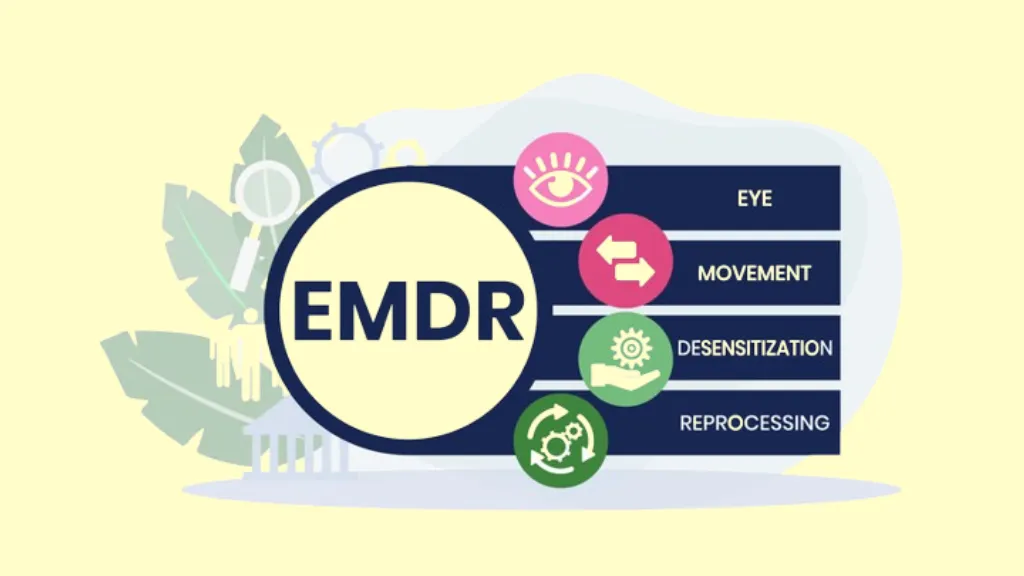
What is EMDR Therapy? Eye Movement Desensitization and Reprocessing (EMDR) Therapy consists of a structured set of protocols and procedures based on …