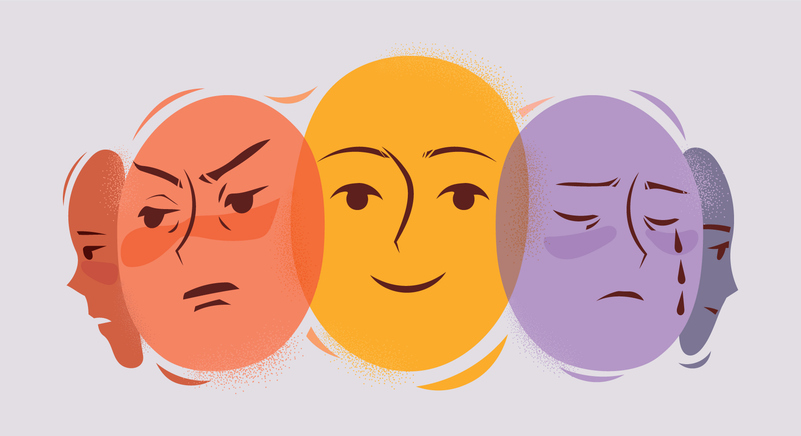
Mental wellbeing lies on a continuum and is characterized by feelings of satisfaction, happiness or “optimal psychological functioning and experience.” It is central to effective human functioning. And entrepreneurs are no exception to this. Entrepreneurs are characterized as experienced strategists with a broad mindset, focusing their decision-making processes on the implementation of visions and concepts. They have to deal with overwhelming work stressors, higher levels of uncertainty, responsibility and complexity, intense time pressures and longer working hours. Entrepreneurship entails recognizing opportunities and possessing the determination, adaptability, and risk-taking capacity to create value and promote social progress. Therefore, superior mental health is of utmost significance for them. It is an indicator of a thriving venture and success. In fact, ‘happy’ entrepreneurs are more likely to persist and perform better in their endeavours.
Importance of Mental Health for Entrepreneurs
Entrepreneurial health is not just a personal concern, it is one of society as well, given that their businesses play a role in chains, networks and ecosystems. Their wellbeing is a resource for developing their businesses and leading to increased productivity, service quality, and learning among employees. Their health is of crucial importance to their organisation’s success. However, the factors that affect their mental health are unavoidable and ever-present.
- Financial and Economic Uncertainty: High financial and economic uncertainty is among the most significant stressors of entrepreneurial life. During such times, entrepreneurs are faced with increased expectations of flexibility, which can negatively impact their mental wellbeing. For instance, they must respond flexibly to orders to ensure financial stability, even if their time resources are limited. There is also added pressure to respond skillfully to economic fluctuations and take responsibility for far-reaching, high-risk decisions. All this can take a toll on one’s physical as well as mental health.
- Workload: In the entrepreneurial environment, the workload is ever increasing. An overwhelming amount of tasks, longer working hours, time pressures and deadlines are often the story for every entrepreneur. All this can have a negative impact on an individual’s mental health.
- Role Strain: Entrepreneurs are simultaneously salespeople, networkers, managers, controllers, etc. The demands of playing different roles and shuffling between various professional roles can cause stress. Apart from this, role conflicts between work and family or partnership, especially for female entrepreneurs can create feelings of unsupportiveness and thereby, hamper mental health.
- Isolation: Isolation refers to individuals being separated from their support system with little or no physical contact or emotional support. This may be true for entrepreneurs due to their longer working hours, higher workloads or working in geographically isolated settings. When poor social support is paired with the high demands of the entrepreneurial lifestyle, individuals are forced to manage their work and life challenges independently, which may contribute to the development of various mental health conditions.
- Work Routine: While entrepreneurs possess the choice to decide their working hours and pace, it does not necessarily mean that they are beneficial to them. Longer working hours can lead to inconsistent sleeping patterns which are associated with a decrease in individuals’ self-efficacy, motivation, attention, and decision-making, and can cause an increase in negative emotions. These can contribute to a loss of confidence in business ideas, making it difficult for entrepreneurs’ to continue working towards the betterment of their firms.
Stress can significantly affect job satisfaction, performance and commitment to the organization. Therefore, the mental health of entrepreneurs is a critical factor for the sustainable preservation of companies. The way in which entrepreneurs deal with stressful working conditions can be crucial for deciding whether mental health problems occur and thus, for the long-term success of the company. Certain preventive strategies can help entrepreneurs deal with adverse situations and act as buffers against stress:
- Enhancing one’s emotional intelligence
- Strengthening cognitive and emotional regulation coping mechanisms such as positive perception, appraisal and expression of emotion, emotional facilitation of thinking, understanding and analyzing emotion
- Cultivating interpersonal relations skills in managing others’ emotions to help regulate moods in a positive direction
- Strengthening internal resources such as hardiness, optimism, positive health and self-esteem
- Reframing or reinterpreting adverse experiences in their business venture into somewhat viable business opportunities in different or same fields
- Using functional coping strategies such as acceptance, positive focusing, refocus on planning, positive reappraisal
Entrepreneurship is as mentally demanding as it is creatively fulfilling. While entrepreneurs are visionaries driving economic and social innovation, the psychological pressures they endure often go unnoticed. Safeguarding their mental wellbeing is not only essential for their personal resilience and decision-making, but also for the sustainability and success of their ventures.
Photo Credits:
First image: freepik
Second image: freepik
References
Cubbon, L., Darga, K., Wisnesky, U. D., Dennett, L., & Guptill, C. (2021). Depression among entrepreneurs: a scoping review. Small Business Economics, 57(2), 781-805.
Kiefl, S., Fischer, S., & Schmitt, J. (2024). Self-employed and stressed out? The impact of stress and stress management on entrepreneurs’ mental health and performance. Frontiers in Psychology, 15, 1365489.
Le Moal, M., Thurik, R., Torrès, O., & Soenen, G. (2025). Mental health of entrepreneurs and daily recovery experiences. Small Business Economics, 1-22.
Stephan, U. (2018). Entrepreneurs’ mental health and well-being: A review and research agenda. Academy of Management Perspectives, 32(3), 290-322.
Subramanian, S., & Kumar, M. V. (2009). Coping with failure, mental health and career intentions among failed entrepreneurs. Asia Pacific Business Review, 5(1), 120-125.
Vinberg, S., Gundersen, K. T., Nordenmark, M., Larsson, J., & Landstad, B. J. (2013). Entrepreneurs’ health–the importance of psychosocial working conditions and individual factors. International Journal of Entrepreneurial Venturing, 4(4), 374-390.

Sakshi
About the author
Sakshi is a clinical psychologist with a deep passion for understanding human behavior, a strong drive for research, and a keen eye for psychological intricacies. Committed to continuous learning, she seeks to explore every facet of psychology, from theory to practice, to better support and empower individuals. With a curiosity that fuels her pursuit of knowledge, she strives to bridge the gap between research and real-world applications, making psychology more accessible and impactful.
Recently Added
For all our lives, relationships are going to be ever-present. Whether it’s in the form of parents, partners, siblings, relatives, friends, teachers, …
Stereotypes play an important role in cross-cultural communication. By the means of such stereotypes, people’s behaviours are predicted. Therefore, cultural stereotypes in …
Mental health is an essential part of our overall health and it doesn’t exist on its own. The state of mental health …