


Your social circle is the one you mingle in almost every single day and it matters more than you think. Whether it’s a holiday or the weekend off, these are the closest people you think of in order to pass your time. These people are your tribe – the ones that shape how you think, feel and grow. These friendships are the ones we choose to surround ourselves with, our tribe, mentors, and communities who define the person we become. Whether it’s family, friends, or mentors, it’s the people in our immediate circle that can either fuel our passion or hold us back. Still wondering whether your social circle matters? Continue reading.
Why Your Social Circle Matters:
Being born into a more or less advantageous background clearly has an impact on our prospects in life. It sets the precedence for educational and professional success, social status, range of achievements, etc. In fact, our feelings of happiness often depend more on how our achievements compare to those in our social circle and less on the achievements themselves. The power of our environment isn’t just about who is around us; it’s about how we allow them to influence us. The company we keep affects everything from our motivation to our sense of purpose. Our closest friendships shape our behaviour and aspirations, often without us realising. Therefore, having intentional friendships is like setting your inner compass. They provide accountability, inspire confidence, and nudge you to keep moving, especially when things get tough. This influence is why finding the right social circle can transform your journey—whether in business, parenthood, or personal growth.
How to Create a Social Circle From Scratch:
Forging new friendships is a strange new world that nearly everyone has to navigate at some point. So, here are a few tips that can come handy when building a social circle!
Step One: Attend Social Events
The first thing you need is a way to meet people. And attending social events is the best way to do that. It can either be a networking event or a conference or some party. These are good places to meet random people and introduce yourself. Go to such events by yourself, not with existing friends, partners, etc. This way, you are forced to interact with people or just stand there and feel awkward. Be confident, friendly and engaging when talking to someone else. Make eye contact, have a smile on your face, speak clearly and listen carefully, ask followup questions. Talk about things that you are really interested in and encourage others to do the same. People love talking about themselves and being listened to. Be vulnerable and open up to those who make you feel more comfortable in their presence. Don’t spend extra time in conversations that aren’t going anywhere. Just say that you have to take a phone call from your partner, or that you’re going to go to the bathroom or get a drink and that it was great talking to them, and leave. If you find yourself in a conversation that is going well and you are enjoying it, get that person’s contact info. Don’t be disappointed by poor results. It’s important to understand that certain connections just aren’t meant to be and move on. Lastly, reflect on your approaches. It’s important to take time during breaks or after the event to reflect on how your interactions went.
Step Two: Follow Ups
Now that you’ve been to one or more events, it’s time to follow up with those you really connected to. Either the same evening, or the next morning/afternoon, follow up with a text to the person saying it was great chatting with them at X event last night, and you’d love to meet up again soon. Hopefully they will also respond in a positive manner. After the first meeting, it is recommended to meet a second time within typically two weeks at most, to strengthen the connection. You can either plan to go for lunch or dinner, bowling, movies, games night (if there are several people you want to invite) etc. It takes at least three positive social interactions to make a new friend.
Step Three: Consistency
At this point, you have made at least one new friend, from scratch. Now you need to put in a little extra work to ensure that you continue to build the relationship. A couple of things you can do to stay in touch are:
- Consistently schedule group social activities
- See people after working hours
- Get into some projects or activities if you have any shared interests
Whatever you do, make sure you’re consistent about it because consistency is the key to strong friendships.
How To Get the Most Out of Your Social Circle:
A strong social circle requires consistency, effort and willingness to stay connected. Whether you’re trying to strengthen old friendships or expand your network, small actions can make a big difference. Building meaningful social connections often starts with intentions and opportunities to bond with others.
Say ‘Yes’
While it is easier to just stay indoors than going out, this isn’t going to strengthen your friendships. Endlessly saying no to plans will make others feel like they’re bothering you. And eventually, they’re going to stop trying. So, say yes to at least one of those endless plans, show some enthusiasm and meet them. Going out together even once can make a huge positive impact on your friendships.
Reach Out
If you’re never accepting invites or taking initiatives, people are going to forget about you. So, just send a random text to your friend asking them what they’ve been up to. Send them (or snap them) a funny photo. Share an interesting article with them. Plant the seed that you want to connect and watch how quickly it grows. Even a simple “like” or comment on a friend’s post can open a line of communication.
Set Up an Event or a Fun Night Out
Generate fun ideas for people to see you as a source of fun. Have a birthday bash at your place. Plan a weekend road trip. Make a beach drinking and volleyball day. Do a bar trivia night. Invite people over for game day. This in turn inspires people to invite you to their events. If you want to increase the range of your existing social circle, ask your friends to get their friends.
Create Opportunities
Start creating tangible goals and write them down instead of keeping them in your head. Plan your next gathering and create an invite list. Pick one event every week for the next month and add each one to your calendar. Set alerts to go off multiple times during the week to remind you. When you’re out somewhere, commit to exchanging contact info with every person you speak to for more than 3 minutes.
What to do When Your Social Circle Becomes Toxic:
Toxic friendships can be found at any point of our lives. While it’s normal for minor conflicts or disagreements to occur in friendships, toxic friendships drain our energy and cause significant distress. Therefore, it’s crucial to take proactive steps towards addressing such friendships.
- Boundaries: Defining your personal boundaries and enforcing them assertively is an important step in prioritizing your mental health and wellbeing. This can be done by letting the other person know where your limits are at and what would be the consequences in case they test them.
- Assertive Communication: Learn to express your needs, opinions and emotion without resorting to anger or passivity. Assertive communication allows you to stand up for yourself and set those boundaries while maintaining respect for others.
- Distance: Try to distance yourself from the friendship that is turning toxic. Limit contact by reducing interactions. Unfollowing them on social media or even severing ties if necessary.
- Self-Care: Take care of your own well-being by engaging in activities that bring you joy and fulfillment. Cultivate self-compassion and surround yourself with positive influences that uplift and inspire you.
- Personal or Professional Support: Reach out to trusted friends, family members, or mental health professionals who can provide guidance and support as you navigate the challenges of addressing toxic relationships.
Your social circle influences your mindset, confidence, emotional wellbeing, and growth more than you may realize. The quality of your friendships often shapes the quality of your daily life. Building meaningful relationships takes effort, vulnerability, and consistency but the emotional support, belonging, and growth that come from a healthy social circle make that effort deeply worthwhile.
Photo Credits:
First image: melitas
References
Escalante, J. (2019). How and Why To Create Social Circles from Scratch. Medium. https://medium.com/pragmatic-life/how-and-why-to-create-social-circles-from-scratch-c2ddbcbe0fb
George, P. (2026). How does your circle shape you? https://www.linkedin.com/pulse/how-does-your-circle-shape-you-peter-george-bell-yyoue/
Heidelberger, K. (2023). Clean your social circle: Identifying and addressing toxic relationships. Refresh Psychotherapy. https://refreshtherapynyc.com/clean-your-social-circle-identifying-and-addressing-toxic-relationships/
Notas, N. (n.d.). How To Build and Maintain A Thriving Social Circle. Nick Notas. https://www.nicknotas.com/blog/how-to-build-and-maintain-a-thriving-social-circle/#improving-your-existing-social-circles
Page, L. The ponds we choose and those we don’t. How the social circles we belong to shape our life goals and satisfaction.
Social Confidence Mastery. (2026). How to build a social circle from scratch as an introvert [Video]. YouTube. https://www.youtube.com/watch?v=LvSorMOfhK8
Stefánsdóttir, M. K. Coaching versus psychotherapy: a comparison (Doctoral dissertation).

Sakshi
About the author
Sakshi is a clinical psychologist with a deep passion for understanding human behavior, a strong drive for research, and a keen eye for psychological intricacies. Committed to continuous learning, she seeks to explore every facet of psychology, from theory to practice, to better support and empower individuals. With a curiosity that fuels her pursuit of knowledge, she strives to bridge the gap between research and real-world applications, making psychology more accessible and impactful.
Recently Added
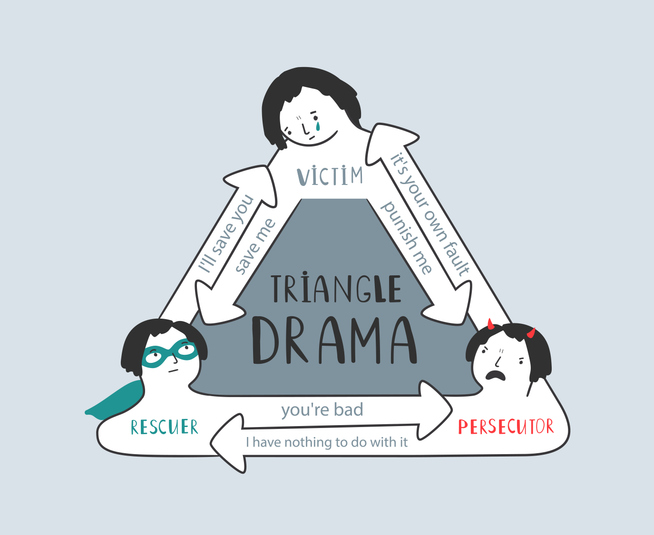
At least once in our lifetimes, we have been involved in or enmeshed in unhealthy and manipulative relationships where we have, knowingly …

The ideal conditions for creativity are often mental and emotional – involving relaxed, yet alert and focused, states of mind. By contrast, …

Spirituality empowers human existence with meaning. It helps establish goals and value systems that drive almost all aspects of a person’s life. …