

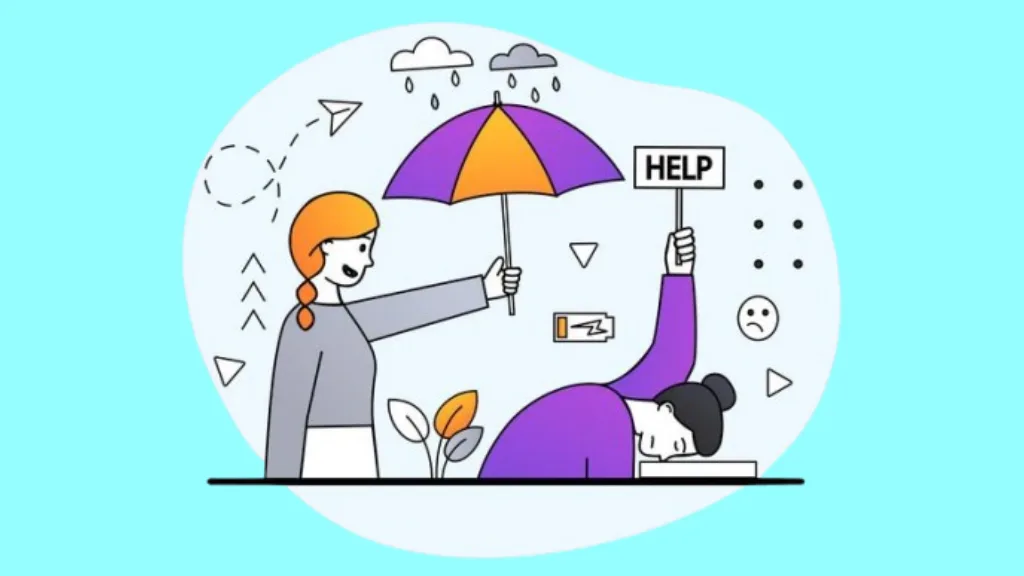
You can’t pour from an empty cup – The Antidote for Empathy Fatigue
When you’re constantly the source of advice, caregiving and support, your reserves are bound to run dry one of these days. You’re constantly offering compassion, solving problems, being a listening ear – whether it’s for friends, family or clients. When rest becomes a far-fetched possibility, your cup continues to deplete, ultimately leaving you to run on fumes. That is when empathy fatigue sets in. And instead of being helpful, you start to become irritated, resentful and feel emotionally numb and detached.
What is Empathy Fatigue?
Traditional Native American teaching endorses that each time you heal someone, you give away a piece of yourself until at some point, you require healing too. A lot of us encounter a wounded healer type of experience – a phenomenon known as empathy fatigue. This results from a state of emotional, mental, physical, and occupational exhaustion that occurs as a person’s own wounds are continually revisited by the life stories that they hear from others around them. Also known as compassion fatigue in psychological literature, it suggests that therapists who deal with trauma survivors are more prone to a compassion stress type reaction as a result of feeling and expressing empathy towards others’ pain and suffering. While empathy fatigue commonly affects healthcare workers, counselors and caregivers, it can happen to anyone who is constantly acting as a support system or processing difficult news.
How Do You Experience Empathy Fatigue?
Empathy fatigue moves through 5 progressive stages, starting from initial emotional strain to deep resentment, affecting caregivers and empathetic individuals who consistently support others without adequate recovery time.
- Empathy Engagement: This is the stage where empathy works the way it should. You genuinely want to support people. You can recover within a reasonable timeframe after an emotionally intense conversation. Your emotional boundaries are intact. In this stage, giving and receiving stay relatively balanced. You notice when you’re getting tired and naturally pull back to recharge.
- Empathy Strain: This is the warning stage where the cracks start to show. You start getting tired, a feeling of dread creeps up in situations where you are required to be empathetic. Recovering from difficult conversations takes longer. Many people experiencing empathy burnout in relationships first notice it here, when supporting loved ones starts feeling like an obligation rather than a choice.
- Empathy Depletion: This is the danger zone where being compassionate feels like a chore. You start to avoid emotional conversations, make excuses or feel numb when someone is talking about their problems. Guilt is a common accompaniment of this stage. You know you are withdrawing but mustering genuine emotional energy feels nearly impossible.
- Hidden Resentment: Here comes the internal frustration towards the very people you have been supporting. You start keeping a mental score of who gives and who takes. Thoughts like “I’m always there for them, but where are they for me?” become frequent. You feel trapped by others’ needs, yet you haven’t voiced this aloud.
- Open Resentment: At this stage, the resentment becomes visible. Contempt and bitterness leak into your interactions. You might snap at loved ones, say things you regret, or withdraw entirely from relationships that once mattered deeply. The damage at this stage can be significant.
Why Do You Experience Empathy Fatigue?
Empathy fatigue builds gradually, through a combination of circumstances, traits and life demands. It slowly drains your emotional reserves, faster than you can replenish them.
- Chronic Emotional Exposure: Constant exposure to others emotional distress without adequate rest leads to exhaustion. When opportunities to decompress and restore emotional energy are minimal, empathy fatigue takes over. This is especially true for those in caregiving roles or professions, parents of children with special needs, people supporting others with chronic illness and caring for aging family members.
- Porous Emotional Boundaries: Some people absorb emotions like a sponge. When you struggle to distinguish between someone else’s pain and your own, the emotional weight that you’re carrying doubles. This may be a result of early experiences such as childhood trauma, making emotional regulation more taxing, leaving you more vulnerable to losing empathy after prolonged stress. When your nervous system is already working overtime to manage your own emotions, taking on others’ feelings becomes unsustainable.
- Emotional Labor: Workplace roles that demand constant emotional availability take a significant toll. Managers navigating team conflicts, teachers supporting struggling students, therapists holding space for clients, and customer service workers absorbing complaints all perform invisible emotional labor that accumulates over time. Apart from this, empathy fatigue in relationships results from a lack of reciprocity. When you consistently give more emotional support than you receive, the imbalance depletes you.
Spot The Signs That You Are Struggling With Empathy Fatigue
The key to identifying empathy fatigue is ‘change.’ There are so many different ways in which a person can experience empathy fatigue that it becomes difficult to recognize. One may have a few symptoms or many. Some of these signs may be subtle while others may be in the face. Therefore, the more you know about the personal and professional signs of empathy fatigue, the better.
Personal Signs
- A decline in the ability to feel sympathy (“I care about your suffering”) or empathy (“I feel your suffering”) and act from a place of compassion (“I want to relieve your suffering”)
- Becoming more task-focused rather than emotion-focused
- Pulling away from other, socially isolating
- Physical and emotional exhaustion or “feeling fatigued in every cell of your body”
- Increasing negative emotions such as anger, annoyance, intolerance, irritability, skepticism, cynicism, embitterment, and resentfulness
- Escalation in mood swings, tearfulness, anxiety, irrational fears, melancholy, sadness, and despair, and in some instances, even suicidal thoughts or gestures
- Declining ability to think clearly, use good judgment, and make decisions
- Difficulty concentrating on tasks
- Lapses in memory or forgetfulness
- Developing a negative self-image and feelings of inadequacy and helplessness over time
- Physical health complaints such as headaches and migraines; nausea, vomiting, and diarrhea; and chronic pain and fatigue, all psychosomatic
Professional Signs
- The quality of client care declines, thereby damaging the client’s trust
- Co-workers and clients may become concerned, asking questions about your attitudes and behaviors
- Spending less time (more sick days or leaves of absence) or more time (trying to keep up or taking work home or having difficulty separating work and home) at work
- Developing an exaggerated sense of responsibility in relation to work
- Failing to nurture pursuits outside of work such as hobbies, sports, get-togethers, etc.
- Feeling a sense of dread while working with certain clients
- Professional life becoming unfulfilling or constantly feeling disappointed, disheartened and disillusioned
- increasingly poor job performance and plummeting self-esteem
- Strained co-worker relationships leading to unsavory competition, gossip, incivility, conflict, and even aggression
As a person’s ways of thinking, feeling, and behaving change, and these changes impact physical and mental health, the person’s ability to carry him/herself well through each day — including within the workplace — deteriorates.
Recover From Empathy Fatigue
Recovery looks different for different people, depending on how far your empathy fatigue has reached. The key is matching your recovery strategy to where you actually are, not where you wish you were.
- Schedule recovery time after emotionally draining conversations. Even 20 minutes of solitude can help gain your emotional strength back.
- Practice emotional boundary awareness by noticing when you’re absorbing someone else’s feelings rather than witnessing them.
- Conduct a reciprocity audit of your relationships. Who gives back when you need support? Who only withdraws? This isn’t about keeping score, but about identifying patterns that drain you.
- Temporarily step away from people who emotionally drain you. For instance, stepping back from the friend who calls in crisis weekly or limiting how long you discuss a partner’s work stress.
- Communicate your boundaries clearly and directly to your loved ones. If you’re passing them for one person, there are higher chances of you doing the same for another. The most effective boundary statements follow a simple formula: acknowledge the other person’s feelings, state your need clearly, then offer an alternative. This approach validates without sacrificing yourself.
- Consider professional support. Seek therapy to process accumulated resentment.
Empathy fatigue is not a sign that you have stopped caring, it is often a sign that you have been caring for too long without giving yourself the same compassion you offer others. Recognising the early warning signs, setting healthy emotional boundaries, and prioritising rest and recovery can help you reconnect with yourself and the people who matter most. With awareness, support, and intentional self-care, it is possible to recover from empathy fatigue and continue showing up for others without losing yourself in the process.
Photo Credits:
First image: Rudzhan Nagiev
References
ReachLink Editorial Team. (2026). Empathy Fatigue: The 5 stages before Resentment takes hold. ReachLink. https://reachlink.com/advice/general/empathy-fatigue/
Stebnicki, M. A. (2007). Empathy fatigue: Healing the mind, body, and spirit of professional counselors. American journal of psychiatric rehabilitation, 10(4), 317-338.
Stoewen D. L. (2020). Moving from compassion fatigue to compassion resilience Part 4: Signs and consequences of compassion fatigue. The Canadian veterinary journal = La revue veterinaire canadienne, 61(11), 1207–1209.

Sakshi
About the author
Sakshi is a clinical psychologist with a deep passion for understanding human behavior, a strong drive for research, and a keen eye for psychological intricacies. Committed to continuous learning, she seeks to explore every facet of psychology, from theory to practice, to better support and empower individuals. With a curiosity that fuels her pursuit of knowledge, she strives to bridge the gap between research and real-world applications, making psychology more accessible and impactful.
Recently Added
At least once in our lifetimes, we have been involved in or enmeshed in unhealthy and manipulative relationships where we have, knowingly …

The ideal conditions for creativity are often mental and emotional – involving relaxed, yet alert and focused, states of mind. By contrast, …

Spirituality empowers human existence with meaning. It helps establish goals and value systems that drive almost all aspects of a person’s life. …