


The power of self-confidence
We’ve all been there.
Moments when we “feel unstoppable”
Moments when we can’t help but compare – “I wished I was as confident as you were”
And moments when we are in our own way – “I just need to be more confident in myself”
Sound familiar?
Words I’ve said, and heard, many times throughout my career.
Self-confidence is both powerful and fragile, a feeling that can be easily built up and knocked down in seconds. It’s dynamic and constantly challenged, ebbing and flowing like waves hitting the shore. Sometimes we see it coming, and other times, it can surprise us and wipe us completely off our feet.
The good news is confidence is something we can constantly build. But what if the key is not just building up and waiting for the next big crash, but also learning how to ride with the waves? How can we sustain our confidence by steadying the emotional rollercoaster and get ourselves back up faster?
This is where wellbeing and nutrition can be your best friend.
WHY: The confidence-wellbeing loop:
When we think of building confidence, you may first think of recognition or achievement – whether excelling in school, or climbing the corporate ladder.
A more unexpected pairing, however, is the deep connection with wellness.
But that’s exactly what self-confidence is defined as – “a combined feeling of well-being, acceptance of your body and mind, and a belief in your own ability, skills and experience
So, at its core, it’s not external at all, but fundamentally rooted in the self. And maybe that’s a small reminder we need once in a while.
When we feel good inside and out, we naturally spur a positive emotional loop. The rest of the world can fall away and we still believe. In contrast, when we’re pulled down with uncertainty and self-doubt, and further faced with negative external influences, even ripples can be overwhelming.
And these negative biases have been shown to impact more than our pride:
Negative mindset has been associated with higher levels of mental stress and anxiety, fatigue, lowered memory recall and focus. Plus, an increased risk of depression and chronic disease. While cultivating a positive mindset can fuel activation of the parasympathetic nervous system, relaxation, better digestion, joy and energy.
Of course, confidence is individual and complex. So, the goal of well-being is not to undermine the impact of external factors, but to leverage it to help our body and mind work better for us. Grounding us in a stronger foundation that enables us to show up with even more presence, strength and trust.

HOW: Food as fuel for a healthy, stable mind:
This is where food can be your easy first step. Food can be transformative – it has the power to lift us up in moments of happiness, steady us in moments of doubt, and cripple us into deep negative cycles of depression. It’s a reflection and an extension of both our physical and mental wellbeing.
From balanced energy and sharper focus to clearer skin, calmer stress, sleep, and performance, food provides holistic benefits, while keeping chronic diseases at bay. And now, more studies are showing significant evidence of nutrition effects on our mood, mind and mental health, all of which ultimately contribute to building up confidence.
WHAT: Top foods for energy and performance
We don’t all live in a blue zone, or eat a Mediterranean diet, but the key is understanding the types of foods that we can then easily translate into our own. And no, it’s not about cutting everything you love, but knowing what you need to help you thrive.
“Diets rich in fiber, polyphenols, and healthy fats, are associated with not just longevity, but improved mood, reduced symptoms of depression, and better cognitive performance.” These include foods such as nuts, beans, whole grains, leafy greens and fish, which can be found across almost every culture.
Functional foods have also been a rising category. For example, foods with anti-inflammatory and antioxidant properties, like blueberries, mushrooms, turmeric, cinnamon, and other herbs and spices, have demonstrated potential as complementary interventions for mood regulation.
While everyone’s needs are different, below is a list of top foods to help you get started.
Source | Key Nutrients | Performance Benefits | Recommended Serving |
Fatty fish (e.g. salmon, mackerel sardines) | Omega-3 fatty acids (EPA, DHA), vitamin D | Improves memory, mood and reaction time, reduce inflammation and supports hydration | 2-3 servings/week (3-4 oz) |
Eggs | Choline, protein | Enhances concentration and neural function, supports serotonin production and mood | 1-2 eggs |
Greek Yogurt | Probiotics, protein, B12, potassium, calcium | Supports gut-brain connection and function, energy, immunity | 6-8 oz |
Almonds | Healthy fats, vitamin E, magnesium, calcium | Helps regulate stress, improves heart health and brain function. | 1 oz (23 almonds) |
Blueberries | Antioxidant powerhouse with vitamin C, K and anthocyanins | Reduces inflammation and oxidative stress. Supports memory & focus. | ½ – 1Cup |
Leafy greens | Vitamin K and Folate, magnesium, antioxidants, minerals | Brain healthy nutrients, support immunity, anti-inflammatory, energy and cell function. | 1 Cup |
Dark Chocolate | Antioxidants and Flavenoids | Support brain function, anti-inflammatory, mood boosting | 1 oz (30g) |
Whole grains | Vitamin B, Magnesium, Fiber | Steady release of energy to fuel brain and prevent energy crashes | 1 Cup / slice |
Self-nourishment starts with knowing, but the beauty and strength comes from the combination of what we eat, to how we enjoy, the way we eat, coming together to amplify and bring our physical and mental wellbeing to new heights, and building lasting confidence from within. Because after all, food is something that should be adding to your confidence, not taking away from it.
Photo Credits:
First image: elenabs
Second image: AmnajKhetsamtip
References
Budin W. C. (2017). Building Confidence. The Journal of Perinatal Education, 26(3), 107–109. https://doi.org/10.1891/1058-1243.26.3.107
Norris, S., Salgado, F., Murray, S., Amen, D., Keator, D. B., et al. (2025). The Role of Negativity Bias in Emotional and Cognitive Dysregulation: A Neuroimaging Study in Anxiety Disorders. Depression and Anxiety, Article ID 2739947. https://doi.org/10.1155/da/2739947
Prabakar A. D. (2024). The Power of Thought: The Role of Psychological Attentiveness and Emotional Support in Patient Trajectories. The Yale journal of biology and medicine, 97(3), 335–347. https://doi.org/10.59249/CPTG1770
Müller-Pinzler, L., Czekalla, N., Mayer, A. V., Stolz, D. S., Gazzola, V., Keysers, C., Paulus, F. M., & Krach, S. (2019). Negativity-bias in forming beliefs about own abilities. Scientific reports, 9(1), 14416. https://doi.org/10.1038/s41598-019-50821-w
Rimes, K. A., Smith, P., & Bridge, L. (2023). Low self-esteem: a refined cognitive behavioural model. Behavioural and cognitive psychotherapy, 51(6), 579–594. https://doi.org/10.1017/S1352465823000048
Muscaritoli M. (2021). The Impact of Nutrients on Mental Health and Well-Being: Insights From the Literature. Frontiers in nutrition, 8, 656290. https://doi.org/10.3389/fnut.2021.656290
Bizzozero-Peroni, B., Martínez-Vizcaíno, V., Fernández-Rodríguez, R., Jiménez-López, E., Núñez de Arenas-Arroyo, S., Saz-Lara, A., Díaz-Goñi, V., & Mesas, A. E. (2025). The impact of the Mediterranean diet on alleviating depressive symptoms in adults: a systematic review and meta-analysis of randomized controlled trials. Nutrition reviews, 83(1), 29–39. https://doi.org/10.1093/nutrit/nuad176
Wijesekara, T. (2025). New insights into the connection between food and mood. Nutrition Neuroscience. Advance online publication. https://doi.org/10.1016/S0924-2244(25)00241-9
Yu, X., Pu, H., & Voss, M. (2024). Overview of anti-inflammatory diets and their promising effects on non-communicable diseases. The British journal of nutrition, 132(7), 898–918. https://doi.org/10.1017/S000711452400405

Stephanie
About the author
Stephanie is a double board-certified functional nutrition coach & practitioner, former L’Oréal executive, and the founder of inome (“I-know-me”) where she blends her nutrition and skin expertise after decades of personal health struggles and trial and error, to bring modern nutrition to the forefront of skin, health and wellbeing. Through partnerships and personalized nutrition & wellness programs, inome helps busy individuals thrive with clarity and confidence from the inside out – with stronger health and clearer skin from within.
Recently Added
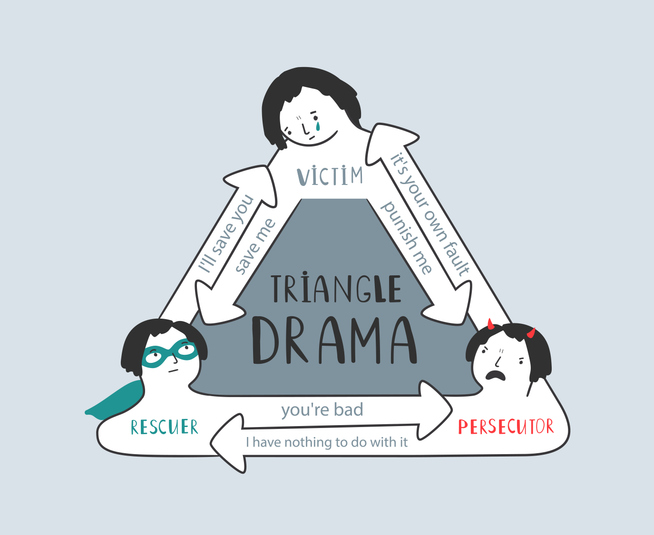
At least once in our lifetimes, we have been involved in or enmeshed in unhealthy and manipulative relationships where we have, knowingly …

The ideal conditions for creativity are often mental and emotional – involving relaxed, yet alert and focused, states of mind. By contrast, …

Spirituality empowers human existence with meaning. It helps establish goals and value systems that drive almost all aspects of a person’s life. …