


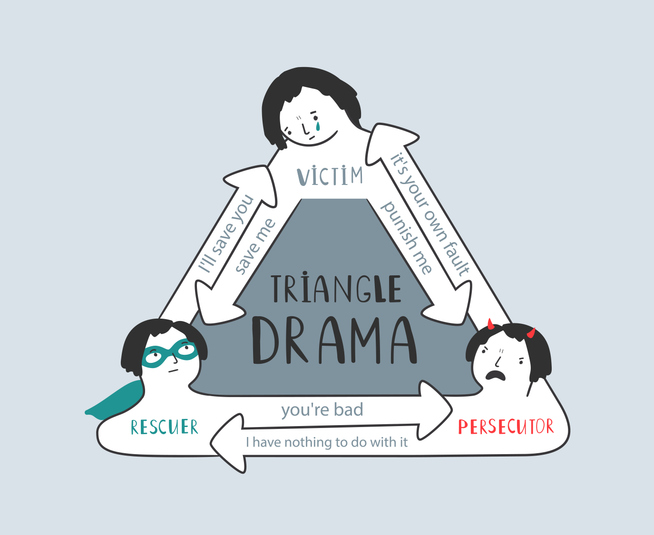
We live in a society where women are stereotyped to be caring, nurturing and supportive while men are glamourised as assertive, decisive and aggressive. Although people possess the abilities to transgress their societal roles, for women it means shifting their identity – the one they have been brought up with and socialised into. For women, it means countering the internalisation of cultural belief that men are more fit for leadership positions and more fit to be the breadwinner. Therefore, empowering women in business takes a backseat, leading to an imbalance in the proportion of women holding leadership positions. The result: Their actions seem like not enough and they get stuck in a frustrating cycle of inaction. There are a multitude of internal and external factors that hold them back. Understanding the barriers to empowering women in business can help us go a long way.
Super Woman Syndrome
Super woman syndrome describes a woman’s quest to excel across multiple roles – professional, familial and social. It’s a pursuit of perfection in every avenue of life, often leading to chronic stress, anxiety, depression and burnout. Super woman syndrome is shaped by societal, cultural, and familial expectations, which women internalize (from an early age), often believing they can juggle multiple responsibilities successfully, which can be incredibly motivating but ultimately detrimental. It leads them to hold rigid beliefs and unrealistic standards about success, self-worth and resilience. Ultimately, it takes an emotional toll on them, where they fail to accomplish tasks according to their meticulously crafted plans and the fear of failure fuels further stress, thereby hampering efforts toward empowering women in business.
Stuck at the bottom
Inaction is also reinforced due to organizational structures. Women are more likely to be left at the bottom of the hierarchy. They are more likely to be in staff than in line roles. Line connotes action and has authority; staff connotes advice and has influence. Line is hierarchical while staff is collateral. Moreover, women are programmed to feel anxious at being aggressive. They consciously or unconsciously expect to be subordinates, thereby increasing their lack of interest or investment in taking substantial action towards progress.
Glass Ceiling
The glass ceiling effect describes the apparent barriers that prevent women from reaching top positions in corporations. Despite efforts to curtail this phenomenon, a majority of the top hierarchical positions are held by men. The assumptions behind these: Women are more concerned about their home than work; they feel everything more deeply than men; they haven’t done enough to deserve that position. Therefore, promotion prospects for women are inferior to those of their comparable male colleagues. They remain in the same job for years, declined the opportunities to advance, try new things and showcase their capabilities. This not only limits career progression but also the larger mission of empowering women in business.
Guilt
Guilt is a self-evaluative, moral emotion that individuals experience when they condemn their own actions. As a result of gender stereotypes that prescribe men to prioritize breadwinning and women to prioritize caregiving, women might be more prone to avoid situations in which they would need to prioritize their work over their family. Consequently, women may be more prone than men to feel guilty when their work interferes with their family (i.e. work-family conflict). Women who feel more guilty think more about reducing their working hours, reducing the time they planned for themselves, and plan to reserve more time and energy for their family and children.
Discrimination & Stereotypes
Some negative beliefs about a female’s ability to perform certain tasks are deeply rooted and resistant to change. Sex-based stereotypes are particularly problematic because they are overgeneralizations that are often inaccurate, leading to limited opportunities for females. They may be denied a raise or promotion just because they are women. A related concern is that women could internalize these negative beliefs, leading them to lack confidence in their ability to perform challenging tasks. As a result, women may be passed over for leadership positions and empowering women in business may be left in vain.
The journey from inaction to action for women is often obstructed by stereotypes, guilt, discrimination, and structural barriers like the glass ceiling. Unless these barriers are consciously dismantled, empowering women in business will remain an unfinished task. True progress lies in reshaping societal expectations, fostering confidence, and creating equal opportunities that allow women to step into leadership without hesitation.
Photo Credits:
First image: freepik
Second image: freepik
References
Aarntzen, L., Derks, B., Van Steenbergen, E., & Van Der Lippe, T. (2023). When work–family guilt becomes a women’s issue: Internalized gender stereotypes predict high guilt in working mothers but low guilt in working fathers. British Journal of Social Psychology, 62(1), 12-29.
Al Issa, Y. M. A., & Chen, S. (2025). The Superwoman Schema (SWS): Origin, Overview, and Psychological Effects–Narrative Review. Middle East Journal of Scientific Research, 8, 1-26.
Dickerson, A., & Taylor, M. A. (2000). Self-limiting behavior in women: Self-esteem and self-efficacy as predictors. Group & Organization Management, 25(2), 191-210.
Pai, K., & Vaidya, S. (2009). Glass ceiling: role of women in the corporate world. Competitiveness review: An international business journal, 19(2), 106-113.
Sakshi
About the author
Sakshi is a clinical psychologist with a deep passion for understanding human behavior, a strong drive for research, and a keen eye for psychological intricacies. Committed to continuous learning, she seeks to explore every facet of psychology, from theory to practice, to better support and empower individuals. With a curiosity that fuels her pursuit of knowledge, she strives to bridge the gap between research and real-world applications, making psychology more accessible and impactful.
Recently Added
The power of self-confidence We’ve all been there. Moments when we “feel unstoppable” Moments when we can’t help but compare – “I …
For women, development occurs across their lifespan. Therefore, their health should be viewed based on their age, social environment and life experiences. …
Sibling relationships are among the longest relationships that one has across their lifespan. What develops at birth moves through childhood, adolescence, adulthood …