


Social anxiety occurs when individuals fear social situations where they perceive to be negatively evaluated by others or perceive that they will make others uncomfortable in their presence. Some level of social anxiety is adaptive – it helps us adjust to those around us and improve our social desirability. However, in excess, social anxiety can impair our social functioning and threaten our wellbeing. It brings in a range of problems : impairments in academic or global functioning, lack of social support, poor social skills, absenteeism. The hallmark of social anxiety is an extreme and persistent fear of embarrassment and humiliation. However, in Asian contexts, it may also manifest as embarrassment of others.
In the past few years, social anxiety has seen a rise all over the world. While its prevalence is still lower in Asian countries as compared to its western counterparts, its symptoms have taken root and it has become a fast-growing phenomenon, especially among the youth. Some of the reasons for this hike are:
Focus on Interdependence
Asian countries focus on group harmony and interdependence. Individuals who view themselves as interdependent often derive their sense of self-worth from their ability to fit in and maintain harmony with others. They adjust their behaviors to promote acceptance by others and suppress their own desires and feelings. Moreover, interpersonal harmony is said to be achieved through a heightened sensitivity to other peoples’ feelings, opinions and negative evaluations during social interactions. Some Asian socialization practices even aim to hone their children towards such adjustment. As a result, individuals from these cultures may be more attuned to social cues from their environment and sensitive to the emotional responses of others.
Digital Socialization
With the growing use of social media, increase in digital connectivity and visibility and increasing non-face-to-face options of communication, social anxiety is also on the rise for the youth. This is because individuals perceive online interactions to be relatively safer than in-person ones and they experience great control and enjoyment online. However, these methods often disrupt face-to-face communication and dismantle social cohesion, in turn leading to social isolation. In times when social skills are to be developing and social interactions are crucial, these youngsters perceive online interactions and communication from a distance to be safe, thereby triggering a spiral or withdrawal and making normal social interactions more challenging for themselves.
Parenting Practices
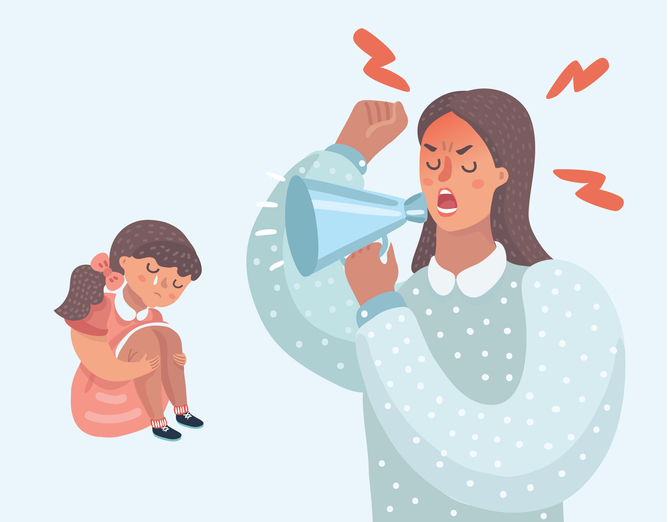
Asian parents usually rely on love withdrawal, shaming and guilt inducement during their parenting. They believe that such practices may develop relational sensitivity, self-discipline, social awareness and responsibility among their children. However, they heighten a child’s concern and vigilance for the emotional reactions of their parents and lead to the translation of this vigilance to other social settings. Such emotional control contributes to increased social anxiety among the youth in Asia. Moreover, they also promote ways (shyness, submissiveness) that ensure group harmony that may increase social anxiety.
Loss of Face
Asian cultures show stronger motivation to avoid losing face. In order to save face, individuals adhere to certain prescribed roles as a member and representative of a group. They pay attention to their own social status in relation to others, focus on the expectations of others and are motivated to engage in ways that prevent others from negatively evaluating them. They hone their abilities to anticipate and recognize the evaluative and affective reactions of others to the self. They focus not only on their individual self-esteem but also the integrity of the groups. However, sometimes, these minute observational skills may prove to be disadvantageous as humans are prone to errors and may identify negative emotions (such as anger, sadness, fear) inaccurately, thereby increasing their stress and anxiety.
The rise in social anxiety among Asian youth is deeply rooted in cultural, technological, and familial influences that prioritize group harmony, emotional control, and social evaluation. While these values promote social cohesion, they may also heighten self-consciousness and fear of negative judgment. Combined with reduced face-to-face interactions in the digital age and emotionally restrictive parenting practices, many young Asians are left feeling ill-equipped to handle everyday social situations. Addressing this growing concern requires a balance between preserving cultural values and fostering environments that support emotional expression, self-acceptance, and social confidence.
Photo Credits:
First image: freepik
Second image: freepik
References
Jefferies, P., & Ungar, M. (2020). Social anxiety in young people: A prevalence study in seven countries. PloS one, 15(9), e0239133.
Lau, A. S., Fung, J., Wang, S. W., & Kang, S. M. (2009). Explaining elevated social anxiety among Asian Americans: emotional attunement and a cultural double bind. Cultural diversity & ethnic minority psychology, 15(1), 77–85.
Tang, X., Liu, Q., Cai, F., Tian, H., Shi, X., & Tang, S. (2022). Prevalence of social anxiety disorder and symptoms among Chinese children, adolescents and young adults: A systematic review and meta-analysis. Frontiers in Psychology, 13, 792356.
Sakshi
About the author
Sakshi is a clinical psychologist with a deep passion for understanding human behavior, a strong drive for research, and a keen eye for psychological intricacies. Committed to continuous learning, she seeks to explore every facet of psychology, from theory to practice, to better support and empower individuals. With a curiosity that fuels her pursuit of knowledge, she strives to bridge the gap between research and real-world applications, making psychology more accessible and impactful.
Recently Added
For all our lives, relationships are going to be ever-present. Whether it’s in the form of parents, partners, siblings, relatives, friends, teachers, …
Stereotypes play an important role in cross-cultural communication. By the means of such stereotypes, people’s behaviours are predicted. Therefore, cultural stereotypes in …
Mental health is an essential part of our overall health and it doesn’t exist on its own. The state of mental health …