

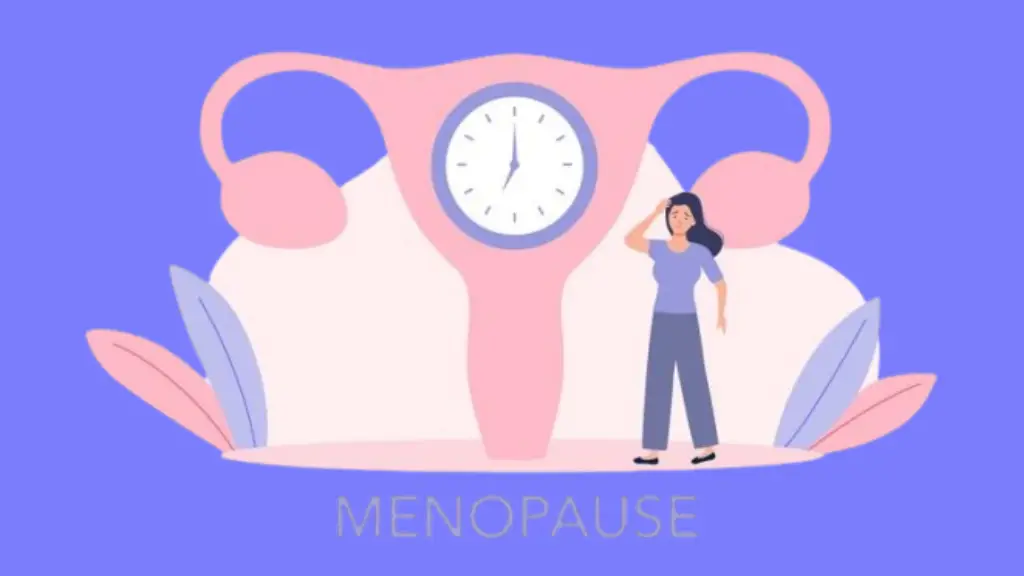
Menopause is an inevitable part of every woman’s life. It’s the period that begins one year after the final menstrual period and can start any time between the early 40’s and late 50’s. However, the hormonal shifts begin after the last period, leading to physical and psychological signs. While the physical signs such as hot flashes, heartburn, indigestion, vaginal dryness, night sweats, hair loss, bloating, osteoporosis, weight gain, urinary health issues, etc. are widely discussed, emotions during menopause are often overlooked. Some of the psychological changes of memory lapses, menopause are mood swings, brain fog, insomnia and these take a toll on women’s overall health and well being as well as how they feel. Understanding emotions during menopause can help women navigate this transition with greater confidence and self-compassion.
Women’s Emotions During Menopause
Perimenopause and menopause can be emotionally challenging times in a woman’s life. As oestrogen levels fall in the amygdala, mood swings and forgetfulness become a mainstream in everyday life. Such emotions during menopause can be frequent, extreme, and easily provoked. Women going through menopause also undergo significant changes in brain biomarkers, leading to symptoms of anxiety and depression. Other common emotional symptoms associated with this stage of life include irritability, impatience, aggression, inadequate motivation, concentration problems, and high levels of stress or tension. A lot of times, the emotions can only be described as a sense that something isn’t right. Fatigue is another common emotional symptom, which may be caused by the lack of sleep due to night sweats or hot flashes. These emotional symptoms can be disruptive and affect a woman’s quality of life, but they are a normal part of the menopausal transition. It can be a time of positive transformation and growth for some women, but others may feel overwhelmed, out of control, angry, or numb. Seeking support from healthcare professionals, family, and friends can help women manage these emotions during menopause and maintain their overall well-being.
Women’s Mental Health During Menopause
The years leading up to menopause as well as this transition can cause mental health issues. During this time, the prevalence of depression doubles. Women who have previously struggled with depression or anxiety may experience a resurgence of symptoms. Menopause can be an isolating or frustrating time for some women. Family and friends may not always understand what they are going through or to provide the necessary support. Some of the most common mental health problems experienced during this stage include feelings of guilt or worthlessness, loss of interest in activities, difficulty in making decisions, memory lapses, lack of energy, stress, lack of motivation, forgetfulness, loss of self-esteem, and loss of confidence.Changes in emotions during menopause can also contribute to a low mood, poor concentration, and feelings of sadness or depression. These mental health problems can be challenging and affect a woman’s quality of life.
How To Manage Your Emotions During Menopause
During menopause, the body’s levels of estrogen and progesterone fluctuate, which can have a profound impact on mood regulation and emotional balance. As these hormones decline, many women experience emotional symptoms. So, let’s explore effective strategies that can help boost your quality of life.
Adopt a Menopause Supportive Diet
Diet plays an important role in managing menopausal symptoms. Therefore, your focus should be on foods that boost your hormonal balance – phytoestrogens, omega-3 fatty acids and other essential nutrients like vitamin B, zinc and magnesium. Decrease your intake of processed foods, sugar and caffeine as they disturb the hormonal balance and contribute to mood swings. Staying hydrated and focusing on a balanced, whole-food diet will also support overall well-being.
Prioritise Sleep Hygiene
Poor sleep contributes to mood swings and poor concentration. So, maintaining a consistent sleep schedule can have immense benefits. Try to go to bed and wake up at the same time everyday. Limit your screen time before going to bed to allow your brain to relax. Develop a calm bedtime routine (such as taking a warm shower or reading a book) to signal your body that it’s time to unwind.
Engage in Physical Activity
Exercise is one of the most effective ways to improve mood, boost brain function, and support hormonal balance during menopause. Activities like walking, yoga, and swimming can help release endorphins, reducing stress and improving emotional well-being. Strength training helps support bone health and improves mental clarity. Even moderate physical activity can significantly reduce feelings of anxiety and irritability.
Stay Mentally Active and Socially Connected
Engaging in activities that keep your mind active and sharp can help maintain mental clarity. These include reading, doing puzzles or sudoku, learning new skills, etc. Moreover, Social interaction is also vital for emotional well-being. Spending time with friends or family, or joining social groups, can reduce feelings of isolation. This way, staying connected with others can boost your cognitive sharpness and emotional resilience.
Manage Stress
Stress management is essential for emotional stability. And mindfulness is one of the best ways to lower cortisol levels, leading to reduced anxiety and promoting a sense of calm. Consider adding a few mindfulness practices to your routine:
- Journaling to help you express and process your emotions.
- Meditation and deep breathing to calm your mind.
- Progressive muscle relaxation to help release the physical tension that may be adding to your emotional distress.
Seek Professional Support
If menopausal symptoms become severe, therapy may help manage emotional ups and downs. Cognitive-behavioural therapy (CBT) is especially effective for addressing anxiety, depression, and stress-related symptoms. Support groups can also provide valuable emotional support and a sense of community. Seeking professional help is especially important if symptoms start interfering with daily life and functioning.
Consider Medical or Natural Treatments
Natural remedies such as nutritional supplements and herbal treatments may support hormonal health. Hormone Replacement Therapy can help alleviate various menopausal symptoms. However, these may not be suitable for everyone and seeking your doctor’s advice is recommended.
Managing Nutrition During Menopause
The best diet for menopause is a healthy eating routine that includes various nutrients from all the food groups. On top of that, staying hydrated is key, with sips of cold water before bed helping with hot flashes at night.
- Protein: This is essential for maintaining muscle mass and feel fuller for a longer period. Good sources include poultry, fish, lean meats, eggs, beans, lentils and tofu.
- Whole Grains: They are a good source of dietary fibres, several B-vitamins and magnesium. B-vitamins play a role in regulating metabolism, and magnesium is needed for bone health. Foods with dietary fiber help in improving gut health, helping to control blood sugar and lowering the risk of heart disease. Sources include whole-wheat bread and pasta, quinoa, brown rice and oats.
- Fruits and Vegetables: Fruits and vegetables are packed with essential vitamins, minerals, dietary fiber and antioxidants. They also tend to be lower in calories and are a source of potassium, which is important for regulating blood pressure.
- Dairy Products: Low-fat or fat-free milk, yogurt and cheese or fortified soy versions provide calcium and often vitamin D. People who can’t tolerate dairy or choose not to eat dairy products should discuss how to meet their calcium and vitamin D needs with their health care provider or dietitian.
- Healthy Fats: Omega-3 fatty acids, which are a type of unsaturated fat, are beneficial for heart health and may help alleviate some symptoms that are related to inflammation. Eating anti-inflammatory foods may help reduce menopause symptoms that are worsened by inflammation, such as joint pain. Sources of omega-3s include fatty fish, such as salmon, mackerel and sardines, as well as flaxseeds, chia seeds and walnuts. Other healthy fats are included in olive oil, nuts and avocado.
- Vitamin D & Calcium: Maintaining vitamin D levels is beneficial as it helps the intestines absorb calcium in the intestines. You can also increase your calcium intake by eating foods such as almonds, spinach, kale, white beans, cheese, milk, yogurt, and salmon. Calcium-fortified foods, such as some kinds of orange juice and oatmeal, may also be helpful.
Items to Avoid
- Food and beverages with high added sugar.
- Saturated fats
- Too much sodium
- Alcohol
Creating a Better Lifestyle During Menopause
Apart from all the things that we’ve discussed until now, lifestyle changes can also have an added impact on relieving perimenopause and menopause symptoms and improve your quality of life.
Quit Smoking and Limit Alcohol
Smoking is linked to early menopause and symptoms such as hot flashes. There is also a link between alcohol consumption and breast cancer. Therefore, quitting your cigarettes and limiting alcohol usage to one serving per day may be beneficial.
Maintain a Healthy Weight
Menopause can contribute to weight gain and also cause troubles in losing weight. Therefore, following a diet focused on whole and unprocessed foods, low sugar, low red meat and rich in fruits and vegetables can help in managing symptoms as well as maintaining weight.
Cardiovascular and Weight-Bearing Exercises
Cardiovascular exercises mean 150 minutes of moderate exercise or 75 minutes of vigorous exercise every week to help maintain a healthy weight, reduce stress and improve heart health. An exercise program that includes weight training can help reduce the risk of developing osteoporosis.
Menopause is a natural life transition that brings significant physical, emotional, and psychological changes. While the experience is different for every woman, understanding and managing emotions during menopause can make this phase more manageable and empowering. Through healthy lifestyle habits, proper nutrition, emotional support, and professional guidance when needed, women can navigate this stage with resilience and confidence. Remember, emotions during menopause are a normal part of the journey, and seeking support is an important step toward maintaining long-term well-being and quality of life.
Photo Credits:
First image: Blueastro
References
Escobar, S.-N. (2023). Nutrition and menopause. eatright.org. https://www.eatright.org/health/wellness/healthful-habits/nutrition-and-menopause
Marwellus Clinics and Diagnostics. (2025). 7 Proven Strategies to Manage Mood Swings During Menopause and Boost Mental Clarity. Marwellus Clinics and Diagnostics. https://www.marwellus.com/blog/manage-mood-swings-menopause-boost-mental-clarity
NYU Langone Health. (n.d.). Lifestyle changes for menopause. NYU Langone Health. https://nyulangone.org/conditions/menopause/treatments/lifestyle-changes-for-menopause
Simona, D., Rani, S., & Raj, M. A. (2023). Biopsychosocial problems faced by women during menopause. Educ Soc, 47(1), 191-198.

Sakshi
About the author
Sakshi is a clinical psychologist with a deep passion for understanding human behavior, a strong drive for research, and a keen eye for psychological intricacies. Committed to continuous learning, she seeks to explore every facet of psychology, from theory to practice, to better support and empower individuals. With a curiosity that fuels her pursuit of knowledge, she strives to bridge the gap between research and real-world applications, making psychology more accessible and impactful.
Recently Added

In a world shaped by trends and social influence, following the crowd has become almost second nature. We want a better balance …
Seeking therapeutic support isn’t the easiest task for any of us. And when families seem to be involved in the mix, it …

Seeking therapeutic support isn’t the easiest task for any of us. And when families seem to be involved in the mix, it …