

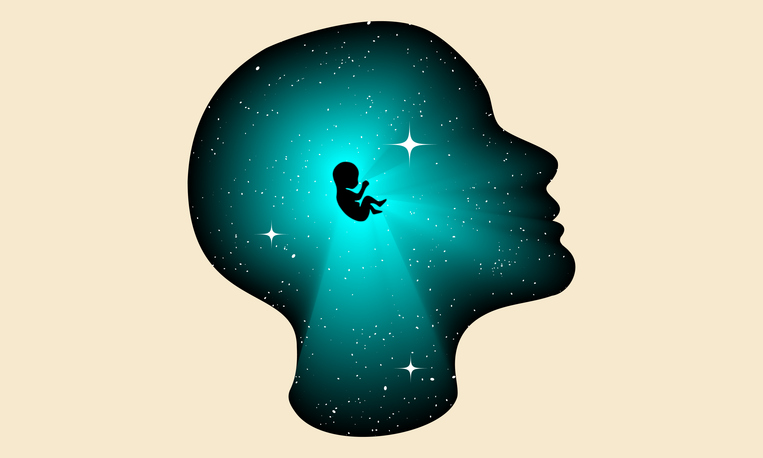
Narcissism and autism are two complex psychological conditions that may sometimes overlap, despite having distinct origins and characteristics. This convergence of symptoms often leads to misinterpretations and diagnostic challenges. Through this article, we aim to understand the relationship between narcissism and autism, explore their similarities and differences, learn ways to identify them, and address common misconceptions regarding the two.
What is Narcissism and Autism?
What are the Differences Between Narcissism and Autism?
There are multiple signs and symptoms that narcissism and autism don’t have in common.- Restricted and Repetitive Behaviors: This is one of the core features of autism. It includes physical actions like hand flapping or rocking, intense or restricted interests, rigid adherence to routines, or hyper- or hypo-sensitivity. However, those with narcissism usually do not show this symptom.
- Lack of Empathy: Those with autism usually do not listen to others or lack empathy due to challenges with social interactions, especially nonverbal communication. On the other hand, those with narcissism are usually unempathetic because they are too focused on themselves to listen to others or empathize with them. They employ cognitive empathy skills to influence relationships for their own benefits.
- Preoccupation: People with autism are often preoccupied with objects or their interests. Those with narcissism are often preoccupied with fantasies concerning themselves.
- Motivation: A person with autism could appear arrogant or egocentric to compensate for challenges they have with social interactions. Their empathic difficulties are primarily rooted in neurodevelopmental limitations, which indirectly impair affective empathy by compromising the perception of nonverbal emotional cues and diminishing attention to socially relevant stimuli. Someone with narcissism may appear this way because they are unwilling or unable to empathize, feel superior to others, or take advantage of situations to fulfill their own needs.
- Social Interactions: People with autism struggle to make friends or have difficulty understanding social norms. In contrast, those with narcissism have superficial charm and may seek social status or attention.
- Communication: People with autism have difficulty with both verbal and nonverbal communication. They may struggle to understand social cues, gestures, or tone of voice. In contrast, people with narcissism have excellent communication skills and use language to manipulate or control others.
Identifying Narcissism and Autism
Identification of narcissism and autism may be challenging, but detecting them early is crucial for effective treatment and intervention. Here are a few common signs you can look for:
Autism in Children
- Delayed speech
- Difficulty making eye contact or responding appropriately in social situations
- Adverse reactions to certain textures, sounds, lights, etc.
- Repetitive behaviours or routines
- Fixation on topics of interest
Autism in Adults
- Difficulty forming and maintaining relationships
- Sensory sensitivities that affect daily functioning
- Difficulty understanding sarcasm or nonverbal communication
- Repetitive routines, behaviours, or thoughts
Narcissism in Children
- Lack of empathy
- Exaggerated sense of self-importance
- Using others to achieve goals
- Constant need for attention and admiration
- Entitled attitude
Narcissism in Adults
- Inflated sense of self-importance
- Preoccupation with success, beauty, or power
- Tendency to manipulate for personal gains
- Obsessive need for admiration from others
- Lack of empathy
Similarities Between Narcissism and Autism
Narcissism and autism are often used interchangeably or confused with each other. The following may be the reasons why:- Challenges with Empathy: Empathy has two primary components: cognitive empathy (involves understanding others’ mental states) and affective empathy (sharing and responding to the emotions of others). Impairments in empathic functioning are one of the core features of narcissism and also play a significant role in the social-cognitive difficulties in autism.
- Social Motivation Deficits: Social motivation refers to an individual’s tendency to seek out, engage with, and derive satisfaction from social interactions and relationships. In those with narcissism, their self-serving, emotionally detached, and manipulative tendencies reflect a deliberate disinterest in forming genuine social connections. On the other hand, those with autism face difficulties in forming and maintaining friendships and relationships due to different social skills and communication styles.
- Rigidity: Both narcissism and autism may involve rigidity in thinking or behavior. People with autism may become fixated on certain interests or routines, while people with narcissism may have a rigid sense of self or beliefs.
- Sensory Sensitivities: People with autism may experience sensory sensitivities or interests, such as sensitivity to loud noises or fascination with certain textures. People with narcissism may also have sensory sensitivities, such as an obsession with appearance or grooming.
Misconceptions Between Narcissism and Autism
There are several misunderstandings surrounding narcissism and autism. This can lead to stigma and discrimination against individuals with these conditions. Myth 1: Autism is a result of bad parenting or vaccines. As emphasized in the article, autism is a neurodevelopmental condition that has a biological and genetic basis. While the environment plays a role in its symptoms and severity, bad parenting and vaccines are not the cause of the condition. Myth 2: Narcissists are confident and self-assured. While those with narcissism appear confident on the surface, their underlying sense of insecurity and low self-esteem are often the driving force behind this behaviour. Their need for attention and admiration can be seen as a compensatory mechanism for these feelings of inadequacy. Myth 3: People with autism are unable to feel for others. While individuals with autism may struggle with expressing empathy in typical ways, this does not mean that they are incapable of feeling or understanding emotions. In fact, many people with autism may be highly sensitive to the emotions of others but have difficulty expressing their own emotions in social situations. Myth 4: People with narcissism are incapable of change. While it can be challenging for individuals with narcissism to recognize their behavior as problematic, they can learn to manage their symptoms through therapy and other interventions. With appropriate treatment and support, people with narcissism can improve their relationships and overall well-being. Understanding narcissism and autism requires looking beyond surface-level similarities and appreciating the unique characteristics of each condition. While both may involve difficulties in empathy, social interactions, and rigidity, the underlying motivations, developmental pathways, and treatment approaches are very different. Increasing awareness about narcissism and autism can help reduce stigma, improve diagnosis, and encourage more compassionate and informed support for those affected.Citations
Photo Credits:
First image: DonkeyWorx

Sakshi
About the author
Sakshi is a clinical psychologist with a deep passion for understanding human behavior, a strong drive for research, and a keen eye for psychological intricacies. Committed to continuous learning, she seeks to explore every facet of psychology, from theory to practice, to better support and empower individuals. With a curiosity that fuels her pursuit of knowledge, she strives to bridge the gap between research and real-world applications, making psychology more accessible and impactful.
Recently Added
With urbanization on the rise, humans’ long-standing ties to nature have severely declined. More people stay in the urban areas rather than …
You can’t pour from an empty cup – The Antidote for Empathy Fatigue When you’re constantly the source of advice, caregiving and …
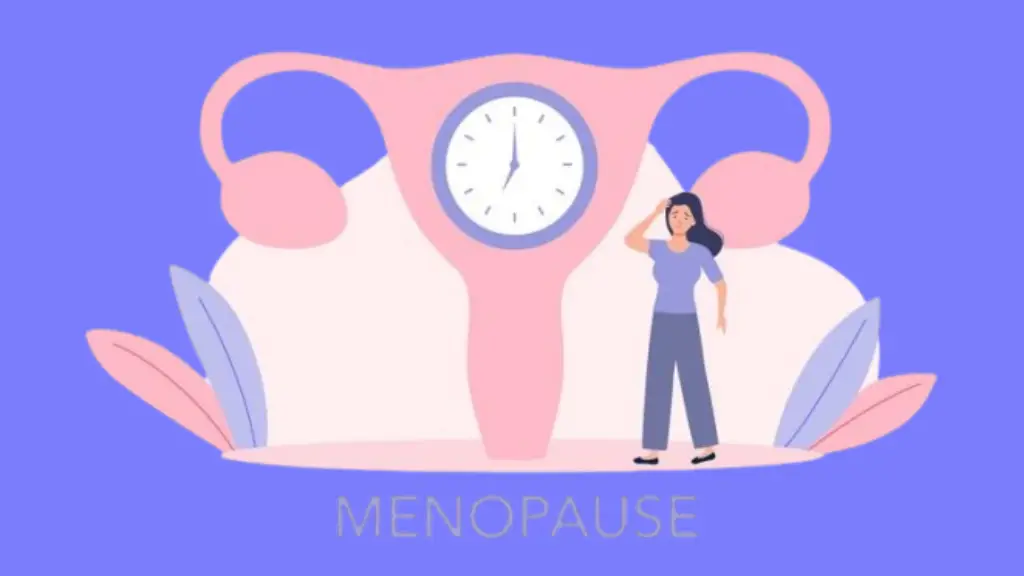
Menopause is an inevitable part of every woman’s life. It’s the period that begins one year after the final menstrual period and …