


The most intense emotions are often experienced in close relationships i.e. romantic or family relationships. Emotion regulation impacts the outcome of our relationships and affects the communication we have within them. It consists of the processes used by people to decide which emotions to experience, when to feel them, and how to display them. When navigating actual social exchanges, people engage in interpersonal emotion regulation, using specific processes to manage their emotions and achieve desired relational goals.
For example, when a son expresses apprehension over an upcoming exam, his parents can respond adequately by validating his feelings. Such exchanges between the son and his parents may strengthen their relationship.
A woman who feels she is perceived negatively by her partner may become increasingly dissatisfied with the relationship.
However, individual differences such as attachment style, personality traits, emotional intelligence, gender and cultural background may influence the use of a particular emotion regulation strategy. Research shows that individuals with high emotional intelligence are more likely to use cognitive reappraisal, women tend to employ a greater variety of emotion regulation strategies than men do, and individuals in cultures that emphasize harmonious social relationships tend to suppress negative emotions.
Intrapersonal emotion regulation and relationship quality
Emotional processing is an important element in determining relationship quality. Intrapersonal emotion regulation occurs when an individual manages their own affect. When emotional suppression, aggressive externalization and behaviour down regulation of emotions become the norm, relationship satisfaction is left hanging in the rear view. On the other hand, when positive emotional regulation strategies such as cognitive reappraisal, perspective taking and emotional expressiveness are your go-to, relationship satisfaction is experienced at almost every stage. In addition, integrative emotion regulation (i.e., showing concern in one’s emotions during conflicts) improves communication and determines a positive evaluation of your connections as compared to avoidance and suppression of emotions (two strategies which aim to minimizing emotional experience).
For example, Sophia often felt hurt when her partner came home late from work without informing her. Her first instinct was to become angry and accuse him of not caring about her. With healthier emotional regulation, she learned to pause, recognise that her anger was also connected to feeling neglected and unimportant, and express these feelings calmly instead of becoming defensive or withdrawing. This helped the couple understand each other better and resolve conflicts more constructively, ultimately improving their relationship satisfaction.
Brain Response
Our emotional experiences arise from intricate interactions among various brain regions that handle threat detection, memory, and cognitive control. When we engage in healthy emotional regulation (such as cognitive reappraisal), our prefrontal cortex is actively engaged. This helps us reshape our emotional experience, reducing their intensity while having full awareness of what we are feeling.
Consequently, suppression tends to focus on stifling our emotional expressions without really addressing the underlying feelings. This often keeps the amygdala engaged while our bodies work overtime to mask these emotions. Consistent emotional suppression can lead to long-term activation of stress pathways in the body. Rather than calming our nervous systems, suppression often reinforces cycles of tension and emotional disconnect, making it harder to connect with ourselves and others.
For instance, Daniel becomes anxious when his manager asks to speak with him unexpectedly. His first thought is, “I must have done something wrong.” Through healthy emotional regulation, he pauses and consciously reframes the situation, reminding himself that the meeting could simply be a routine discussion. Although he still feels some anxiety, changing his interpretation helps reduce its intensity and allows him to approach the meeting calmly. In contrast, if Daniel tried to suppress his anxiety by forcing himself not to feel nervous or pretending everything was fine, the emotion could remain active beneath the surface even though he appears calm outwardly.
Interpersonal emotion regulation and relationship quality
Interpersonal emotion regulation is another important concept when it comes to relationships. When individuals regulate their affect with support from others, it is known as interpersonal emotional regulation. Use of positive humor and increasing positive emotions (an interpersonal emotion regulation strategy defined as peoples’ intentions to turn to others to increase their positive affect) in your relationships is positively associated with relationship satisfaction and psychological well-being.
For instance, James had a particularly stressful day at work and felt overwhelmed after leaving the office. Instead of dealing with the stress alone, he called a close friend while travelling home. His friend listened, made him laugh about a shared memory, and reminded him that one difficult day did not define his entire week. This simple interaction helped James experience more positive emotions and feel supported, showing how interpersonal emotional regulation can strengthen both psychological well-being and relationship satisfaction.
Emotion regulation and family relationships
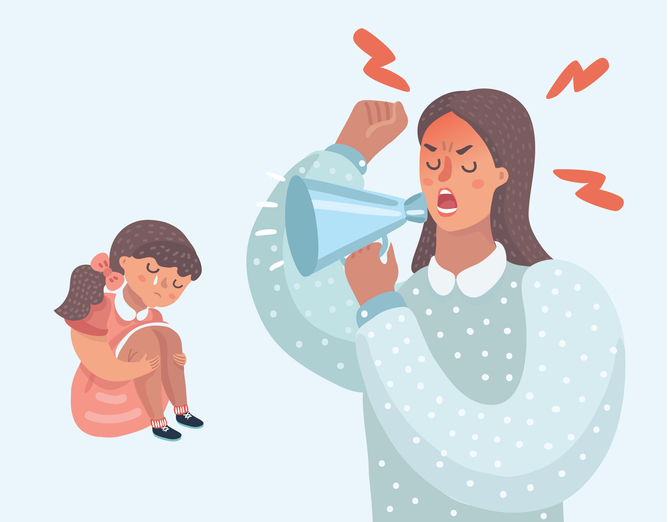
A child’s ability to manage emotions begins to develop at home. Parents play a vital role in shaping their child’s social and emotional growth through everyday interactions. Children learn by watching how their parents express and cope with emotions, how they respond when their child is upset, and the conversations they have about understanding and handling feelings. According to The Tripartite Model of the Impact of the Family on Children’s Emotion Regulation and Adjustment, children develop healthy emotion regulation skills through three key pathways: observation/modelling (learning emotion regulation processes), parenting practices (parents teaching their children about emotion regulation strategies) and the emotional climate of family (attachment styles, parents’ emotional expressiveness). Together, these experiences lay the foundation for a child’s emotional resilience and well-being.
For example, Emily, a mother living in Hong Kong, noticed that her young son would become upset and cry whenever he made a mistake with his homework. Instead of becoming frustrated or telling him to stop crying, she calmly acknowledged his feelings by saying, “I can see that you’re feeling upset because this is difficult.” She then helped him take a few breaths and encouraged him to try again. By observing her mother’s calm response, Emily’s child gradually learned that difficult emotions can be acknowledged and managed rather than feared or avoided.
Emotion Regulation and Supportive Communication
Supportive communication refers to “verbal and nonverbal behavior produced with the intention of providing assistance to others perceived as needing that aid.” Across various interpersonal relationships—such as friendships, romantic partnerships, and parent-child relationships—individuals frequently engage in social interactions that offer support to those experiencing negative emotions caused by stressful events, myriad upsets, and hassles that arise in everyday life. Through this type of communication, individuals receive supportive messages that work on their cognitive mechanism and help them change their negative emotions. It aids distressed recipients by facilitating their emotion regulation through conversationally induced reappraisal.
For instance, Daniel was feeling anxious after receiving unexpected criticism at work and began worrying that he was not good enough at his job. When he shared this with his friend Oliver, Oliver did not simply tell him to “stop worrying.” Instead, he listened, acknowledged how difficult the experience felt, and helped Daniel consider another perspective: “Maybe your manager’s feedback was about one specific task rather than your overall ability.” This supportive conversation helped Daniel reappraise the situation and feel less overwhelmed by his negative emotions.
Emotion Regulation and Couple Relationships
Regulating emotions effectively is central to building and sustaining healthy relationships. Between a couple, each partner is required to regulate their own emotions, attend to their partner’s emotional state, as well as monitor the moment‐to‐moment quality of their relationship. This process is fluid, challenging and dynamic, sometimes affecting their capacity for emotion regulation and impacting their daily wellbeing. Difficulty with emotion regulation leads to depression, anxiety, adjustment disorder symptoms, lower interpersonal empathy, perception of hostile criticism, physical and psychological aggression and conflicts. When a woman’s emotion regulation strategies and a man’s emotional awareness are increased, relationship satisfaction follows. Couples who effectively regulate their spouse’s emotions and apply practical strategies to manage each other’s emotions experience greater interpersonal intimacy and secure attachment within the relationship. The use of positive emotional regulation strategies by couples leads to increased levels of marital satisfaction, which in turn fosters higher satisfaction in their partner. Interpersonal emotion regulation is more effective than intrapersonal regulation strategies in alleviating emotional distress and confusion within the partnership.
For example, Rachel became anxious after learning that her company was restructuring and worried that she might lose her job. Her partner, Andrew, noticed that she was unusually quiet and tense. Instead of immediately offering solutions or dismissing her concerns, he asked what kind of support she needed and listened without judgment. Rachel also communicated that she needed reassurance rather than advice. By recognising and responding to each other’s emotional states, they were able to reduce Rachel’s distress and approach the situation together. This mutual emotional support strengthened their sense of trust, intimacy, and security within the relationship.
Emotion regulation plays a fundamental role in shaping the quality of our relationships and the way we communicate with others. When we are able to recognise, understand, and manage our emotions effectively, we are more likely to respond with empathy, communicate clearly, resolve conflicts constructively, and build stronger emotional connections. Although emotional regulation is a skill that develops over time, practicing healthy strategies—both individually and within relationships—can lead to greater trust, relationship satisfaction, and overall emotional wellbeing.
Photo Credits: KMSP
Citations
Baghaei, N., Mahmoodabadi, H. Z., & Nobandegani, Z. N. (2024). The Role of Interpersonal Emotion Regulation in Couples’ Relationships: Grounded Theory. Iranian Journal of Psychiatry and Behavioral Sciences, 19(1).
Chen, W. L., & Liao, W. T. (2021). Emotion Regulation in Close Relationships: The Role of Individual Differences and Situational Context. Frontiers in psychology, 12, 697901.
Duca, D. S., Ursu, A., Bogdan, I., & Rusu, P. P. (2023). Emotions and emotion regulation in family relationships. Revista Romaneasca Pentru Educatie Multidimensionala, 15(2), 114-131.
Nozaki, Y., & Gross, J. J. (2025). Bridging supportive communication and interpersonal emotion regulation: An integrative review. Journal of Social and Personal Relationships, 42(8), 2231-2262.
Xu, M., Johnson, L. N., Anderson, S. R., Bradford, A., & Witting, A. B. (2026). Emotion Regulation and Relationship Satisfaction in Couple Therapy: What Happens Across Sessions?. Family process, 65(1), e70125.

Ruchi Om
About the author
Ruchi Om is the founder of ‘the mind talk’ and a counsellor registered with ACA. She believes that the road to personal growth and development might prove challenging at times but it is worth it. She believes that we all have agency and we must move forward in life with intention and purpose. In addition, she continues to specialise in learning and training in classrooms and trains parents in the art of parenting and conflict management.
Recently Added

Spirituality empowers human existence with meaning. It helps establish goals and value systems that drive almost all aspects of a person’s life. …

In a world shaped by trends and social influence, following the crowd has become almost second nature. We want a better balance …
Seeking therapeutic support isn’t the easiest task for any of us. And when families seem to be involved in the mix, it …