


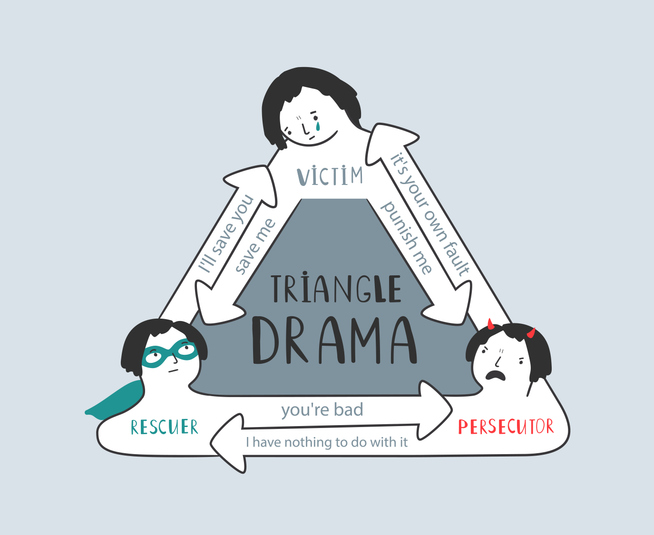
For all our lives, relationships are going to be ever-present. Whether it’s in the form of parents, partners, siblings, relatives, friends, teachers, colleagues or anyone else, personal connections take up a lot of space in our daily living. However, these relationships exist or prosper only when we put in the efforts to make them work. Therefore, striving to improve our relationships should always hold importance. When we are thriving in our relationships, our physical and mental health seem to boom and our overall levels of happiness are on the rise. So, today, let’s explore science-backed tips to build stronger bonds for lasting connections!
10 Tips for Healthy Relationships
The small things that happen everyday are what healthy relationships comprise of. And such relationships require a lot of hard work, dedication and determination. So, here are some tips to build and nurture long-term relationships!
1. Emotional triggers
More often than not, past baggage and triggers are carried into new friendships and relationships. Behaviours and words that may seem insignificant to someone may be a big deal for you. And this may hinder the development, sustenance and maintenance of said relationships. Therefore, it is important to remember that those close to us aren’t trying to trigger us in any way. They aren’t pushing our buttons on purpose. Making an effort to understand your emotional triggers can help you identify when you need to calm down, take a break and decide whether your reflex action is appropriate to the given situation. Acceptance of your emotional triggers is the key to making your relationships last.
2. Curiosity
Assumptions never lead us down a peaceful and happy road. Moreover, those close to you do not want you to read their minds. And you don’t want to get stuck in a narrative that you have created from your past relationships. Curiosity is then your key to nurturing the relationships in your life. Asking questions shows you are interested in people and researching about their interest helps you understand them better. Taking a little bit of time to ask your partner how their work presentation went, listening to the band that your friend won’t stop talking about, or following up with kind text messages when a loved one is in distress can help to strengthen your relationships. It can create a sense of trust and safety.
3. Compassion
Being compassionate shows the other person that you understand why they are feeling the way they do. Compassion is easy when you’re in a calm headspace, but it becomes really difficult in the heat of the moment. Therefore, sometimes it’s better to try and assume the best and give your closest people the benefit of the doubt.
4. Difficult conversations
Disagreements and difficulties are going to always be a part of our relationships no matter what. Therefore, learning how to fight rather than avoiding fights becomes important and beneficial. To fight fair: focus on the positive, repeat back what you are hearing to be sure you are understanding the other person’s viewpoint, stay away from bringing past problems into the issue, don’t raise your voice, and stay focused on solutions, understanding, and compromise. If one of you becomes emotionally dysregulated, take a step back and set a time to come back to the conversation.
5. Listening
Listening is an active skill that involves being present and immersed in the experience of the person who’s speaking. Lending an ear and making efforts to listen is a non-negotiable in strengthening relationships and makes them more satisfying.
6. Battles
Picking your battles is an important skill when it comes to relationships. Knowing when to back down and when to have the argument can help avoid damaging consequences and increase better communication. Sometimes, both the people need to pause and decide whether the fight is more important than the relationship or vice versa.
7. Quality time
Flourishing relationships often involve a lot of quality time spent together. Whether it’s a dinner or a call, engaging in something that allows you to be fully attentive to the other person can deepen your bond. It also helps your partner, friends or family to know that you care about them and they’re valuable to you.
8. Vulnerability
Vulnerability can be scary, but it’s the only way for your loved ones to really get to know you and understand what hurts you. Being vulnerable can have an important impact on your relationships and can help you build intimacy and grow stronger bonds.
9. Boundaries
Boundaries help others understand what is acceptable and what isn’t. Crossing boundaries makes us feel hurt and disrespected. Therefore, whether it’s the way you want to be spoken to, the dimensions of your personal space, or the subject of money, letting your loved ones know your boundaries will help set up your relationships for success. Also, remember to accept and respect the boundaries other people set.
10. Self-care
Taking care of your own needs and accepting the changes within yourself is salient in keeping you happy, healthy and flourishing. And when you’re in such a positive space, your relationships prosper as well. Therefore, taking some time out for the things you like can help build a better mindset and keep your relationships from disintegrating.
Healthy relationships are built through self-awareness, compassion, and consistent effort. By communicating openly, setting boundaries, and nurturing emotional connection, we create space for trust and growth. Remember, strong relationships are not about perfection but about understanding, patience, and choosing love every day.
Photo Credits:
First image: Rudzhan Nagiev
Second image: Rawpixel
Sakshi
About the author
Sakshi is a clinical psychologist with a deep passion for understanding human behavior, a strong drive for research, and a keen eye for psychological intricacies. Committed to continuous learning, she seeks to explore every facet of psychology, from theory to practice, to better support and empower individuals. With a curiosity that fuels her pursuit of knowledge, she strives to bridge the gap between research and real-world applications, making psychology more accessible and impactful.
Recently Added
For all our lives, relationships are going to be ever-present. Whether it’s in the form of parents, partners, siblings, relatives, friends, teachers, …
Stereotypes play an important role in cross-cultural communication. By the means of such stereotypes, people’s behaviours are predicted. Therefore, cultural stereotypes in …
Mental health is an essential part of our overall health and it doesn’t exist on its own. The state of mental health …