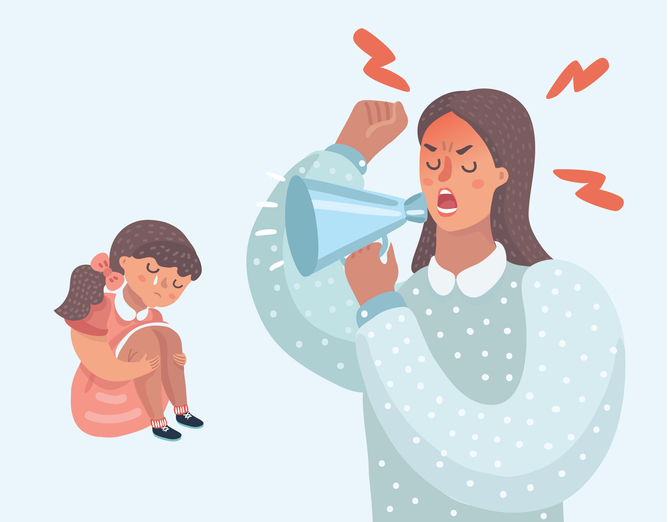



With globalization, Asia has seen massive economic growth in the past two decades. While there are a handful of people who find purpose and meaning in their jobs, for most people, work is a necessity to survive. And in order to receive that paycheck, employees toil away until the point of perpetual exhaustion without benefits or sick leaves, workers and miners forcefully work overtime, some in life-threatening conditions, with no break.
The physical and mental impacts of the present work culture on workers and employees has been gaining attention worldwide. In 2019, the World Health Organization publicized “burnout” to be an occupational phenomenon and defined it as “a syndrome resulting from chronic workplace stress that has not been successfully managed.” Burnout is characterized by feelings of exhaustion, negativity, cynicism, increased mental distance from the job, and reduced professional efficacy.
Now that technology allows people to work from any place and at any time, work constantly intrudes on personal lives and relaxing times. Employers, clients, and colleagues have higher expectations in terms of availability and instantaneous responses. Moreover, with the rise in remote working conditions, individuals work across different time zones and calendars with globalized teams. This creates more intrusion on evenings, weekends, and vacations, making it impossible for working professionals to disconnect from their job responsibilities. This has become one of the biggest sources of stress in modern work life.
In addition, Asia’s overtime culture may be aggravated by their traditional respect for authority and hierarchy, making workers feel that leaving before their bosses is a misdemeanor. This may lead managers to equate long working hours with performance and they may frown upon those who leave early, labelling them as lazy. This creates a vicious cycle of staying at work beyond capacity and unproductivity. According to research, the major reasons that drive this vicious cycle of burnout are unrealistic expectations of employee productivity, poor organizational culture, role ambiguity, and lack of recognition. Therefore, workplace wellness has become a necessity in Asia.
Strategies to Handle Overwork
Work and wellness have an interdependent relationship. One’s underlying state of wellness – physical and mental health, family life and relationship, personal motivation, values, and experiences – affects their job performance. At the same time, one’s work and its quality affect their personal wellness, financial stability, social status, self-esteem, sense of purpose, pand hysical health. Here are a few simple strategies that organizations and employees can adopt in order to ensure enhanced well-being and productivity.
For organisations
- Offer classes such as meditation, yoga, stress and time management, counselling or other perks.
- Build on-site amenities such as nap-pods, quiet rooms, free massages, games and activities.
- Provide part-time, flexi-time or off-site work options.
- Shorten work weeks and make paid time off each year a compulsion.
- Put a cap on overwork hours.
- Make performance-based bonuses, awareness ceremonies, celebration of work-related milestones, verbal appreciation in front of colleagues, and written acknowledgements a norm.
For employees
- Observe your high energy levels through the day and accomplish challenging tasks in those boosts. Be fully focused and limit distractions during those phases. Take short breaks away from your desks – such as getting a coffee, conversing, or physical movement – during low energy phases.
- Discover whether you are a morning, midday, or evening person. Then set up your working schedule accordingly. Morning people wake up easily and notice a drop in energy in the afternoon. Mid-day people usually can wake by 7 or 8 in the morning and their energy peaks in the afternoon. Evening people are groggy in the morning and usually sleep late.
- In fully alert phases, focus on critical & pressing matters such as important reading, meetings, etc. In alert phases, take up moderately engaging tasks such as creative and physical tasks, checking in with teams, etc. In sluggish phases, take up tasks that are not critical but interesting such as short projects, presentations, interactive tasks, etc.
- Uncover your power hour i.e. 30 minutes or 3 hours after waking up. Indulge in high priority, important tasks during that hour.
- Employ the ABC & 123 Technique: Categorize items on your to do list into A (most important), B (important but not associated with a deadline) and C (least important). In each category, number the tasks (1, 2, 3) based on priority.
- Follow the 7-8-9 rule: Sleep for 7-8 hours, work for 8-9 hours and enjoy 7 hours of free time
- Be a master of delegation – assign time-consuming, repetitive tasks to team members that align with their interests or goals.
- Use the ‘Act As If’ Method: identify the type of person you want to be (such as a diligent worker) and adopt actions that align with your identity (such as dedicating focused time for working). Track these actions on a daily basis to build proof that you’re becoming this person. It helps sustain and strengthen your new habits.
- Implement your intention – Be clear about the habit you want to create and sustain in a way that is motivating to you. The simple formula for this is : I will (behavior) at (time) in (location).
- Stack your habits i.e., pick a current habit and add a new habit following. For example: I will complete one hour of uninterrupted, dedicated work and then take a 5 break.
In a culture that glorifies overwork, reclaiming well-being at work is indispensable. With burnout on the rise, both organizations and individuals must prioritize sustainable work practices. While systemic changes are needed to shift deeply embedded norms, small, intentional actions can go a long way in restoring balance and preserving mental health. A happier workforce isn’t just more productive—it’s more human.
Photo Credits:
First image: freepik
Second image: freepik
References
Abdul Aziz, A. F., & Ong, T. (2024). Prevalence and associated factors of burnout among working adults in Southeast Asia: results from a public health assessment. Frontiers in public health, 12, 1326227.
Clear, J. (2018). Atomic habits: Tiny changes, remarkable results. Penguin Random House.
Floirendo, G. (2024). Time Management Strategies for Success. Ohai.ai. https://www.ohai.ai/blog/time-management-strategies
TeKnowledge Shared Services. (2025). Energy Management vs. Time Management: Boosting Productivity by Managing Your Energy Levels. https://www.linkedin.com/pulse/energy-management-vs-time-boosting-productivity-2ay1c
Yeung, O., & Johnston, K. (2019). Improving Workplace Wellness in Asia: A Business Case, Approaches, and Successful Practices. White Paper for the Asian Development Bank.
Sakshi
About the author
Sakshi is a clinical psychologist with a deep passion for understanding human behavior, a strong drive for research, and a keen eye for psychological intricacies. Committed to continuous learning, she seeks to explore every facet of psychology, from theory to practice, to better support and empower individuals. With a curiosity that fuels her pursuit of knowledge, she strives to bridge the gap between research and real-world applications, making psychology more accessible and impactful.
Recently Added
For all our lives, relationships are going to be ever-present. Whether it’s in the form of parents, partners, siblings, relatives, friends, teachers, …
Stereotypes play an important role in cross-cultural communication. By the means of such stereotypes, people’s behaviours are predicted. Therefore, cultural stereotypes in …
Mental health is an essential part of our overall health and it doesn’t exist on its own. The state of mental health …